


- Afhalen na 1 uur in een winkel met voorraad
- Gratis thuislevering in België vanaf € 30
- Ruim aanbod met 7 miljoen producten
- Afhalen na 1 uur in een winkel met voorraad
- Gratis thuislevering in België vanaf € 30
- Ruim aanbod met 7 miljoen producten





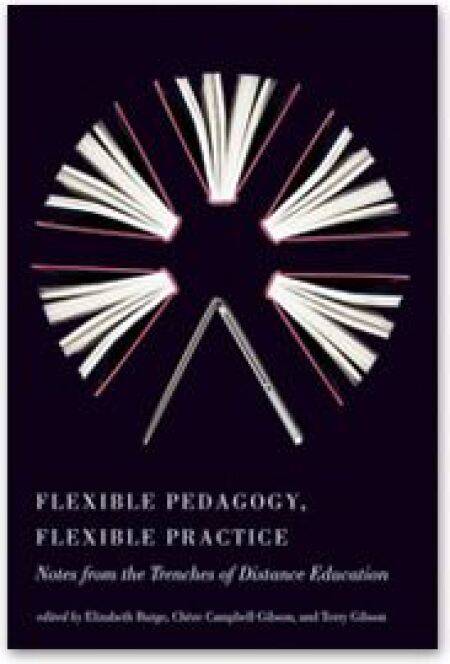
Flexible Pedagogy, Flexible Practice E-BOOK
Notes from the Trenches of Distance Education
€ 23,99
+ 23 punten
Omschrijving
Flexibility has become a watchword in modern education, but its implementation is by no means a straightforward matter. Flexible Pedagogy, Flexible Practice sheds light on the often taken-for-granted assumptions that inform daily practice and examines the institutional dynamics that help and hinder efforts toward flexibility. The collection in international in scope, drawing on the experience of specialists in distance education from North America, the United Kingdom, Australia and New Zealand, South Africa, Singapore, and Japan. Contributors to the volume were asked to reflect candidly and critically on a series of questions, including: What precisely is flexible learning? Who or what is driving the flexibility agenda, and for whose benefit? And who or what is resisting it? What challenges must be overcome in order to achieve flexibility, and what are some of the compromises it can entail?
Specificaties
Betrokkenen
- Uitgeverij:
Inhoud
- Aantal bladzijden:
- 360
- Taal:
- Engels
- Reeks:
Eigenschappen
- Productcode (EAN):
- 9781926836621
- Verschijningsdatum:
- 1/12/2011
- Uitvoering:
- E-book
- Beveiligd met:
- Digital watermarking
- Formaat:
- ePub


Alleen bij Standaard Boekhandel
+ 23 punten op je klantenkaart van Standaard Boekhandel
Cadeau

AANGERADEN


Beoordelingen
We publiceren alleen reviews die voldoen aan de voorwaarden voor reviews. Bekijk onze voorwaarden voor reviews.