



- Afhalen na 1 uur in een winkel met voorraad
- In januari gratis thuislevering in België
- Ruim aanbod met 7 miljoen producten
- Afhalen na 1 uur in een winkel met voorraad
- In januari gratis thuislevering in België
- Ruim aanbod met 7 miljoen producten





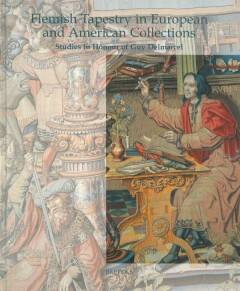
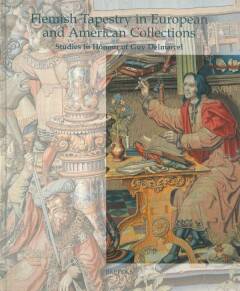
Flemish Tapestry in European and American Collections
Studies in Honour of Guy Delmarcel
€ 74,20
+ 148 punten
Omschrijving
Professor Dr Guy Delmarcel was Curator of Textiles at the Brussels Koninklijke Musea voor Kunst en Geschiedenis (1975-1990) and Professor of History of Art at the Catholic University of Leuven (1981-2002). He passionately devoted his career to the study of Flemish tapestry. His intensive research on the 'Mobile Frescoes of the North' resulted in numerous articles, books, lectures, and exhibitions, thereby unlocking tapestry to both scholars and the general public. Guy Delmarcel has now been given emeritus status. The Department of Archaeology, History of Art and Musicology decided to honour its former chairman by offering him a Festschrift entirely dedicated to his beloved field of research. Fourteen renowned tapestry scholars from all over the world willingly accepted the invitation to celebrate their esteemed colleague. Throughout the centuries Flemish tapestry has eagerly been collected. In the Middle Ages and Early Modern Times the European elite spent fortunes on these lavish works of art. A number of essays compiled in the present volume focus on the patronage and collections of European kings and noblemen. In the nineteenth and twentieth centuries European and American museums became important collectors of Flemish tapestry, as is demonstrated by some museological studies presented in Studies in Honour of Guy Delmarcel. This penetration by Flemish tapestry of the public realm has obviously necessitated iconographic and stylistic studies. A number of new analyses are gathered in the Festschrift.
Specificaties
Betrokkenen
- Uitgeverij:
Inhoud
- Aantal bladzijden:
- 232
- Taal:
- Engels
- Reeks:
- Reeksnummer:
- nr. 1
- Geïllustreerd:
- Ja
Eigenschappen
- Productcode (EAN):
- 9782503521749
- Verschijningsdatum:
- 6/11/2003
- Uitvoering:
- Hardcover
- Formaat:
- Genaaid
- Afmetingen:
- 249 mm x 302 mm
- Gewicht:
- 1496 g

Alleen bij Standaard Boekhandel
+ 148 punten op je klantenkaart van Standaard Boekhandel
Cadeau

AANGERADEN


Beoordelingen
We publiceren alleen reviews die voldoen aan de voorwaarden voor reviews. Bekijk onze voorwaarden voor reviews.