


- Afhalen na 1 uur in een winkel met voorraad
- Gratis thuislevering in België vanaf € 30
- Ruim aanbod met 7 miljoen producten
- Afhalen na 1 uur in een winkel met voorraad
- Gratis thuislevering in België vanaf € 30
- Ruim aanbod met 7 miljoen producten





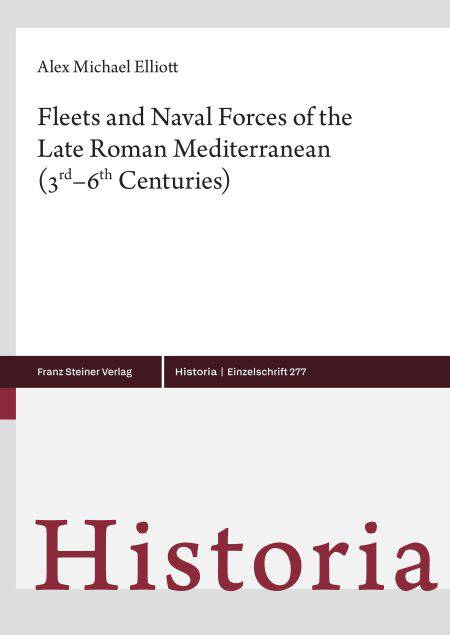
Fleets and Naval Forces of the Late Roman Mediterranean (3rd–6th Centuries) E-BOOK
Alex Michael Elliott
€ 60,00
+ 60 punten
Uitvoering
Omschrijving
The fleets and naval forces employed by the Roman Empire have traditionally been conceived as a 'Roman navy' that guarded the waterways of the Mediterranean and the northern frontier. No longer facing major competition at sea, this navy is supposed to have gradually decayed over the 1st and 2nd centuries until being swept away during the barbarian invasions of the 3rd. Directly challenging the concept of a 'Roman navy' and associated narratives of institutional decline, this book reassesses the role and development of fleets and naval forces of the late Roman Mediterranean (3rd–6th centuries). This is accomplished through a systematic investigation into the fate of the early imperial classes as well as the creation and development of new classes in the later Empire.
Beyond these obvious naval forces, this book also examines the employment of ships by other 'non-naval' military units and the creation of ad hoc fleets for major campaigns. Finally, it analyses the evolution in design and employment of military galleys over the same period, providing a more comprehensive and balanced understanding of the role and transformation of the fleets and ships used by the late Roman military.
Beyond these obvious naval forces, this book also examines the employment of ships by other 'non-naval' military units and the creation of ad hoc fleets for major campaigns. Finally, it analyses the evolution in design and employment of military galleys over the same period, providing a more comprehensive and balanced understanding of the role and transformation of the fleets and ships used by the late Roman military.
Specificaties
Betrokkenen
- Auteur(s):
- Uitgeverij:
Inhoud
- Aantal bladzijden:
- 245
- Taal:
- Engels
- Reeks:
Eigenschappen
- Productcode (EAN):
- 9783515139977
- Verschijningsdatum:
- 17/09/2025
- Uitvoering:
- E-book
- Beveiligd met:
- Digital watermarking
- Formaat:



Alleen bij Standaard Boekhandel
+ 60 punten op je klantenkaart van Standaard Boekhandel
Cadeau

AANGERADEN


Beoordelingen
We publiceren alleen reviews die voldoen aan de voorwaarden voor reviews. Bekijk onze voorwaarden voor reviews.