


- Afhalen na 1 uur in een winkel met voorraad
- Gratis thuislevering in België vanaf € 30
- Ruim aanbod met 7 miljoen producten
- Afhalen na 1 uur in een winkel met voorraad
- Gratis thuislevering in België vanaf € 30
- Ruim aanbod met 7 miljoen producten





€ 19,99
+ 19 punten
Omschrijving
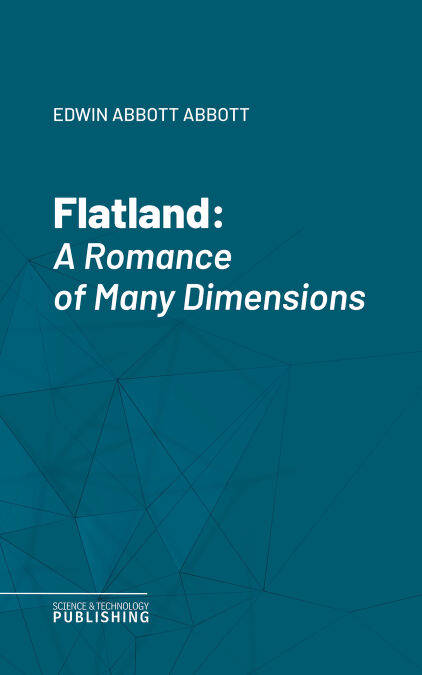
Flatland: A Romance of Many Dimensions is a classic satirical novella by Edwin A. Abbott, first published in 1884. Set in a two-dimensional world inhabited by geometric figures, the story follows the journey of A Square, a humble square who narrates his experiences and observations of life in Flatland. The society of Flatland is strictly hierarchical, with social class determined by the number of sides a figure possesses—circles representing the highest class, while women are depicted as simple line segments. The narrative begins with a detailed exploration of Flatland’s unique society, customs, and the rigid rules that govern its inhabitants. Through A Square’s eyes, readers are introduced to the peculiarities of Flatland’s geometry, the limitations of perception in two dimensions, and the prejudices that shape its social order. The story takes a dramatic turn when A Square is visited by a mysterious Sphere from Spaceland, a three-dimensional world. The Sphere’s arrival challenges A Square’s understanding of reality and opens his mind to the existence of dimensions beyond his own. As A Square grapples with the concept of a third dimension, he becomes an advocate for the possibility of worlds beyond Flatland, only to face ridicule and persecution from his fellow citizens. The novella cleverly uses mathematical concepts and dimensionality as metaphors to critique Victorian society, addressing issues such as class, gender, and the resistance to new ideas. Abbott’s witty and imaginative narrative invites readers to question their own assumptions about reality and the limitations of human perception. Flatland remains a thought-provoking and influential work, blending mathematical theory with social commentary. Its enduring appeal lies in its ability to entertain, educate, and inspire readers to look beyond the surface of their own world and consider the infinite possibilities that lie beyond the boundaries of their understanding.
Specificaties
Betrokkenen
- Auteur(s):
- Uitgeverij:
Inhoud
- Taal:
- Engels
Eigenschappen
- Productcode (EAN):
- 9782528110652
- Verschijningsdatum:
- 31/08/2025
- Uitvoering:
- E-book
- Formaat:
- ePub


Alleen bij Standaard Boekhandel
+ 19 punten op je klantenkaart van Standaard Boekhandel
Cadeau

AANGERADEN


Beoordelingen
We publiceren alleen reviews die voldoen aan de voorwaarden voor reviews. Bekijk onze voorwaarden voor reviews.