


- Afhalen na 1 uur in een winkel met voorraad
- Gratis thuislevering in België vanaf € 30
- Ruim aanbod met 7 miljoen producten
- Afhalen na 1 uur in een winkel met voorraad
- Gratis thuislevering in België vanaf € 30
- Ruim aanbod met 7 miljoen producten





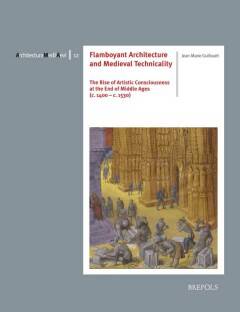
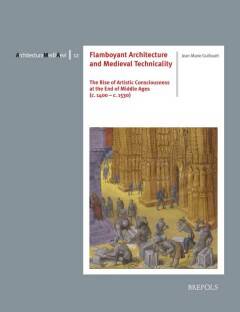
Flamboyant Architecture and Medieval Technicality
The Rise of Artistic Consciousness at the End of Middle Ages (c. 1400 - c. 1530)
Jean-Marie Guillouët
€ 106,00
+ 212 punten
Omschrijving
This book seeks to further our understanding of the socio-genesis of artistic modernity by turning to microhistory. It explores a late-medieval decorative procedure that emerged and spread in northern and central France from the early fifteenth century to the start of the following century. Using the well-known miniature, the Building of Solomon's Temple in Jerusalem from the fifteenth-century codex of Les Antiquités judaïques as a starting point, this study deals with architecture and technical knowledge of builders. This investigation unpacks and reveals many aspects of the technical and visual culture of late medieval craftsmen and artists. The virtuosic skills these artisans displayed are worthy of inclusion in the development of technical practices of Flamboyant Gothic architecture. They also reflect broader cultural and social configurations, which go far beyond the history of building. This micro-historical perspective on what can be called "hyper-technical" Gothic contributes to our appreciation of the role of technical mastery in establishing social hierarchies and artistic individuation processes during the Late Middle Ages and Early Modern period.
Specificaties
Betrokkenen
- Auteur(s):
- Uitgeverij:
Inhoud
- Aantal bladzijden:
- 218
- Taal:
- Engels
- Reeks:
- Reeksnummer:
- nr. 12
Eigenschappen
- Productcode (EAN):
- 9782503577296
- Verschijningsdatum:
- 2/09/2019
- Uitvoering:
- Paperback
- Formaat:
- Trade paperback (VS)
- Afmetingen:
- 216 mm x 277 mm
- Gewicht:
- 839 g


Alleen bij Standaard Boekhandel
+ 212 punten op je klantenkaart van Standaard Boekhandel
Cadeau

AANGERADEN


Beoordelingen
We publiceren alleen reviews die voldoen aan de voorwaarden voor reviews. Bekijk onze voorwaarden voor reviews.