


- Afhalen na 1 uur in een winkel met voorraad
- Gratis thuislevering in België vanaf € 30
- Ruim aanbod met 7 miljoen producten
- Afhalen na 1 uur in een winkel met voorraad
- Gratis thuislevering in België vanaf € 30
- Ruim aanbod met 7 miljoen producten





Omschrijving
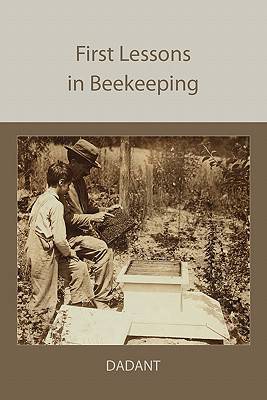
2010 Reprint of original 1934 edition. The Dadant family, originally from France, is one the first families of beekeeping in America. Charles Dadant (1817-1902) is considered one of the founding fathers of modern beekeeping. He was always seeking a better way to keep bees. Just as he had begun with the old European "eke", he quickly abandoned that kind of beekeeping for the modern Langstroth hive concept. Bee hives have often been designed and built without regard for the needs and habits of the honey bee colony. Probably the best design for a colony was the large hive developed by Charles Dadant. It provided a large, deep brood chamber with plenty of room in which the queen could lay, and shallower supers for honey storage. However, the price and promotion of smaller hives offered for sale during the period from about 1885 to 1900 made them more popular. Charles son, Camille Pierre Dadant, authored First Lessons in Beekeeping, a standard and still important work on this subject. Dadant's book and its succeeding editions have been America's first stop for beginning beekeepers for over 90 years. Lavishing illustrated with photographs.
Specificaties
Betrokkenen
- Auteur(s):
- Uitgeverij:
Inhoud
- Aantal bladzijden:
- 186
- Taal:
- Engels
Eigenschappen
- Productcode (EAN):
- 9781891396229
- Verschijningsdatum:
- 19/09/2010
- Uitvoering:
- Paperback
- Formaat:
- Trade paperback (VS)
- Afmetingen:
- 152 mm x 229 mm
- Gewicht:
- 281 g


Alleen bij Standaard Boekhandel
+ 23 punten op je klantenkaart van Standaard Boekhandel

Beoordelingen
We publiceren alleen reviews die voldoen aan de voorwaarden voor reviews. Bekijk onze voorwaarden voor reviews.