


- Afhalen na 1 uur in een winkel met voorraad
- Gratis thuislevering in België vanaf € 30
- Ruim aanbod met 7 miljoen producten
- Afhalen na 1 uur in een winkel met voorraad
- Gratis thuislevering in België vanaf € 30
- Ruim aanbod met 7 miljoen producten





Omschrijving
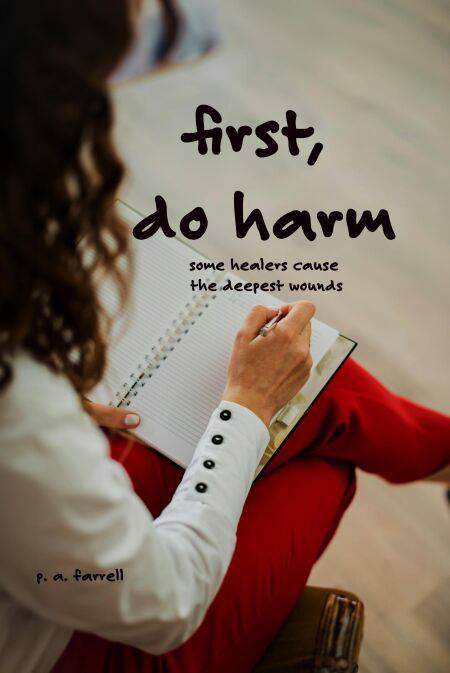
In a small Midwestern clinic, Jeanne Mason has it all figured out—her caseload, her supervisor, and the colleague she's quietly positioning to be her next connection to a better social life. What she doesn't have is any interest in being wrong.
When Carol Malone walks through Jeanne's door with fatigue, a dragging foot, and the quiet terror of a woman who has already watched her mother lose her body piece by piece, Jeanne sees not a patient in crisis but an anxious woman looking for attention. For six months, Carol submits to sessions that reframe her symptoms as dysfunction, her fear as manipulation, and her body as an unreliable narrator. Meanwhile, Jeanne protects her position through a hidden affair with her supervisor, uses an intern's minor form error as a weapon, and carefully cultivates a wealthy new colleague for reasons that have nothing to do with clinical care.
When a neurologist finally orders an MRI, the white spots on the scan are unmistakable: multiple sclerosis, present and progressing. Jeanne's response to the truth is the most revealing thing she does in the entire story—and it costs her almost nothing, because systems built by people like Jeanne tend to protect them.
FIRST, DO HARM is a taut, unflinching novella about the quiet violence of professional arrogance, the long cost of being believed too late, and one woman's hard-won right to know what is happening inside her own body.
Specificaties
Betrokkenen
- Auteur(s):
- Uitgeverij:
Inhoud
- Taal:
- Engels
Eigenschappen
- Productcode (EAN):
- 9798233351242
- Verschijningsdatum:
- 4/03/2026
- Uitvoering:
- E-book
- Formaat:
- ePub



Alleen bij Standaard Boekhandel
+ 2 punten op je klantenkaart van Standaard Boekhandel
Cadeau

AANGERADEN


Beoordelingen
We publiceren alleen reviews die voldoen aan de voorwaarden voor reviews. Bekijk onze voorwaarden voor reviews.