


- Afhalen na 1 uur in een winkel met voorraad
- Gratis thuislevering in België vanaf € 30
- Ruim aanbod met 7 miljoen producten
- Afhalen na 1 uur in een winkel met voorraad
- Gratis thuislevering in België vanaf € 30
- Ruim aanbod met 7 miljoen producten





€ 20,95
+ 41 punten
Omschrijving
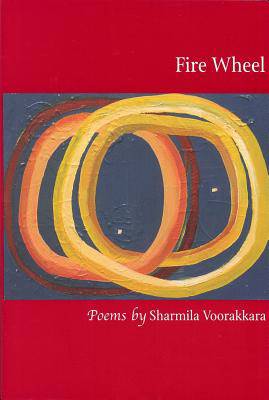
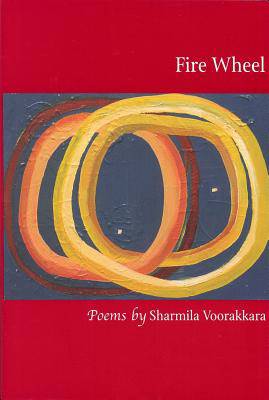
The poems in Fire Wheel dip in and out of family history and myth; the subjects of its poems are as varied as Helen of Troy, and Audrey, a Fury who makes her rounds at Laundromats, proclaiming the coming Armageddon. I, too, am manmade, born of rib and / rayon, says Audrey, and I'll tell you just what / your'e not above. By turns elegiac and humorous, Fire Wheel's poems also question the nature of family and identity. In Poem for My Father, Once a Vacuum Cleaner Salesman, Now an Ascetic a daughter reflects on her father, a man who abandons his family in search of spiritual enlightenment. In which sage life/ will I find you? she asks. My Suicide Uncles traces the crossing of immigrants between the old country and the new, and its sometimes devastating results. Whether the poems are about circus sideshow performers, delinquents, or mythic figures, the poems of Fire Wheel try to blend the real with the imagined, to find the place where the two worlds intersect to create an ever-shifting borderland of the self.
Specificaties
Betrokkenen
- Auteur(s):
- Uitgeverij:
Inhoud
- Aantal bladzijden:
- 89
- Taal:
- Engels
- Reeks:
Eigenschappen
- Productcode (EAN):
- 9781931968218
- Verschijningsdatum:
- 1/06/2005
- Uitvoering:
- Paperback
- Formaat:
- Trade paperback (VS)
- Afmetingen:
- 152 mm x 229 mm
- Gewicht:
- 158 g


Alleen bij Standaard Boekhandel
+ 41 punten op je klantenkaart van Standaard Boekhandel
Cadeau

AANGERADEN


Beoordelingen
We publiceren alleen reviews die voldoen aan de voorwaarden voor reviews. Bekijk onze voorwaarden voor reviews.