



- Afhalen na 1 uur in een winkel met voorraad
- In januari gratis thuislevering in België
- Ruim aanbod met 7 miljoen producten
- Afhalen na 1 uur in een winkel met voorraad
- In januari gratis thuislevering in België
- Ruim aanbod met 7 miljoen producten





€ 47,45
+ 94 punten
Omschrijving
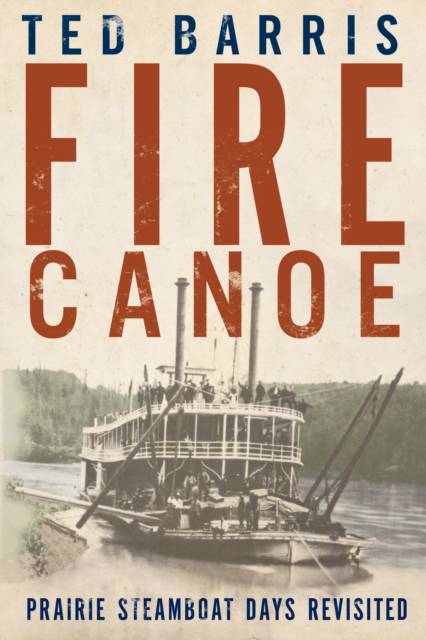
The story of steamboating in the Canadian West comes to life in the voices of those aboard the vessels of the waterways of the Prairies.
Their captains were seafaring skippers who had migrated inland. Their pilots were indigenous people who could read the shoals, sandbars, and currents of Prairie waterways. Their operators were businessmen hoping to reap the benefits of commercial enterprise along the shores and banks of Canada's inland lakes and rivers. Their passengers were fur traders, adventure-seekers, and immigrants opening up the West. All of them sought their futures and fortunes aboard Prairie steamboats, decades before the railways arrived and took credit for the breakthrough.
Aboriginal people called them "fire canoes," but in the latter half of the nineteenth century, their operators promoted them as Mississippi-type steamship queens delivering speedy transport, along with the latest in technology and comfort. Then, as the twentieth century dawned, steamboats and their operators adapted. They launched smaller, more tailored steamers and focused on a new economy of business and pleasure in the West. By day their steamboats chased freight, fish, lumber, iron ore, real estate, and gold-mining contracts. At night, they brought out the Edwardian finery, lights, and music to tap the pleasure-cruise market.
Their captains were seafaring skippers who had migrated inland. Their pilots were indigenous people who could read the shoals, sandbars, and currents of Prairie waterways. Their operators were businessmen hoping to reap the benefits of commercial enterprise along the shores and banks of Canada's inland lakes and rivers. Their passengers were fur traders, adventure-seekers, and immigrants opening up the West. All of them sought their futures and fortunes aboard Prairie steamboats, decades before the railways arrived and took credit for the breakthrough.
Aboriginal people called them "fire canoes," but in the latter half of the nineteenth century, their operators promoted them as Mississippi-type steamship queens delivering speedy transport, along with the latest in technology and comfort. Then, as the twentieth century dawned, steamboats and their operators adapted. They launched smaller, more tailored steamers and focused on a new economy of business and pleasure in the West. By day their steamboats chased freight, fish, lumber, iron ore, real estate, and gold-mining contracts. At night, they brought out the Edwardian finery, lights, and music to tap the pleasure-cruise market.
Specificaties
Betrokkenen
- Auteur(s):
- Uitgeverij:
Inhoud
- Aantal bladzijden:
- 368
- Taal:
- Engels
Eigenschappen
- Productcode (EAN):
- 9781459732087
- Verschijningsdatum:
- 20/10/2015
- Uitvoering:
- Hardcover
- Formaat:
- Genaaid
- Afmetingen:
- 160 mm x 234 mm
- Gewicht:
- 725 g



Alleen bij Standaard Boekhandel
+ 94 punten op je klantenkaart van Standaard Boekhandel
Cadeau

AANGERADEN


Beoordelingen
We publiceren alleen reviews die voldoen aan de voorwaarden voor reviews. Bekijk onze voorwaarden voor reviews.