


- Afhalen na 1 uur in een winkel met voorraad
- Gratis thuislevering in België vanaf € 30
- Ruim aanbod met 7 miljoen producten
- Afhalen na 1 uur in een winkel met voorraad
- Gratis thuislevering in België vanaf € 30
- Ruim aanbod met 7 miljoen producten





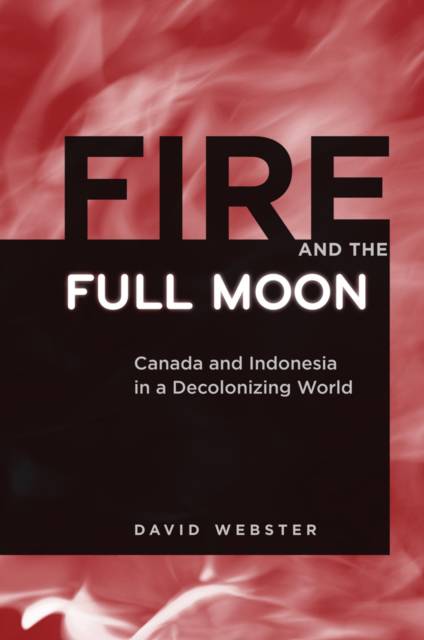
Fire and the Full Moon
Canada and Indonesia in a Decolonizing World
David Webster
Paperback | Engels
€ 60,95
+ 121 punten
Omschrijving
Our image of Canada's postwar foreign policy is dominated by the Cold War, while the story of Canada's response to decolonization in the Global South is less well known. This book explores Canadian-Indonesian relations to determine whether Canada's postwar foreign policy was guided by an overarching set of altruistic principles. It shows that Canada remained a loyal member of the Western alliance. Canada wanted developing countries to follow its own non-revolutionary model of decolonization and paid little attention to violations of human rights. Webster's reassessment of Canada's foreign-policy objectives in Indonesia, and of its own national image, will appeal to students of diplomatic history interested in Asia and the developing world.
Specificaties
Betrokkenen
- Auteur(s):
- Uitgeverij:
Inhoud
- Aantal bladzijden:
- 272
- Taal:
- Engels
Eigenschappen
- Productcode (EAN):
- 9780774816847
- Verschijningsdatum:
- 1/01/2010
- Uitvoering:
- Paperback
- Formaat:
- Trade paperback (VS)
- Afmetingen:
- 152 mm x 229 mm
- Gewicht:
- 408 g



Alleen bij Standaard Boekhandel
+ 121 punten op je klantenkaart van Standaard Boekhandel
Cadeau

AANGERADEN


Beoordelingen
We publiceren alleen reviews die voldoen aan de voorwaarden voor reviews. Bekijk onze voorwaarden voor reviews.