


- Afhalen na 1 uur in een winkel met voorraad
- Gratis thuislevering in België vanaf € 30
- Ruim aanbod met 7 miljoen producten
- Afhalen na 1 uur in een winkel met voorraad
- Gratis thuislevering in België vanaf € 30
- Ruim aanbod met 7 miljoen producten





€ 26,40
+ 52 punten
Omschrijving
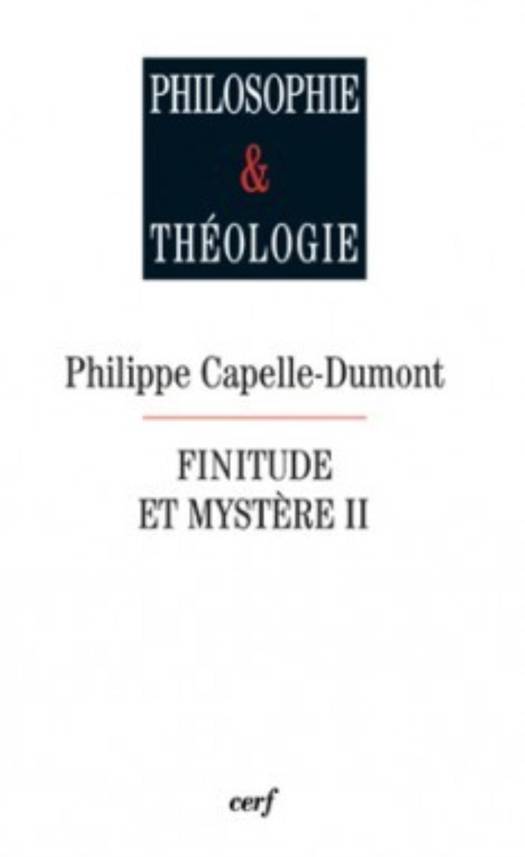
Avec ce second volet de « Finitude et mystère », et après la publication de « Philosophie et théologie. Anthologie » (Paris, Éd. du Cerf, 5 vol., 2009-2011), Philippe Capelle-Dumont prolonge sa réflexion sur l'histoire et le statut contemporain de la relation entre la philosophie et la théologie. Le premier axe de l'ouvrage — « Inspirations » — est consacré à l'analyse de plusieurs schèmes fondamentaux qui, depuis saint Paul et la patristique, le néoplatonisme et Thomas d'Aquin jusqu'à Heidegger, Ricoeur et Levinas, ont suscité les principaux paradigmes de la rencontre entre ces deux traditions fondatrices. Le second axe — « Dualités » — interroge, selon une visée systématique, les tensions principales dont hérite ainsi notre siècle entre les trois grandes familles disciplinaires que sont la phénoménologie, la métaphysique et la théologie.
--
With this second volume of Finitude et mystère, and following the publication of Philosophie et théologie. Anthologie (Paris, Éd. du Cerf, 5 vol., 2009-2011), Philippe Capelle-Dumont prolongs his reflection on the history and contemporary status of the relationship between philosophy and theology. The book's first theme — Inspirations— is devoted to analysing several fundamental schemata which, from St. Paul and Patristic, Neo-Platonism and Thomas Aquinas to Heidegger, Ricoeur and Levinas, have dealt with the principal paradigms produced by the confluence of these two founding traditions. The second theme — ‘Dualities' — examines systematically the main tensions our era has inherited from the family of three great disciplines: phenomenology, metaphysics and theology.
--
With this second volume of Finitude et mystère, and following the publication of Philosophie et théologie. Anthologie (Paris, Éd. du Cerf, 5 vol., 2009-2011), Philippe Capelle-Dumont prolongs his reflection on the history and contemporary status of the relationship between philosophy and theology. The book's first theme — Inspirations— is devoted to analysing several fundamental schemata which, from St. Paul and Patristic, Neo-Platonism and Thomas Aquinas to Heidegger, Ricoeur and Levinas, have dealt with the principal paradigms produced by the confluence of these two founding traditions. The second theme — ‘Dualities' — examines systematically the main tensions our era has inherited from the family of three great disciplines: phenomenology, metaphysics and theology.
Specificaties
Betrokkenen
- Auteur(s):
- Uitgeverij:
Inhoud
- Aantal bladzijden:
- 201
- Taal:
- Frans
- Reeks:
- Reeksnummer:
- nr. 2
Eigenschappen
- Productcode (EAN):
- 9782204100168
- Verschijningsdatum:
- 24/01/2013
- Uitvoering:
- Paperback
- Afmetingen:
- 135 mm x 204 mm
- Gewicht:
- 268 g


Alleen bij Standaard Boekhandel
+ 52 punten op je klantenkaart van Standaard Boekhandel
Cadeau

AANGERADEN


Beoordelingen
We publiceren alleen reviews die voldoen aan de voorwaarden voor reviews. Bekijk onze voorwaarden voor reviews.