


- Afhalen na 1 uur in een winkel met voorraad
- Gratis thuislevering in België vanaf € 30
- Ruim aanbod met 7 miljoen producten
- Afhalen na 1 uur in een winkel met voorraad
- Gratis thuislevering in België vanaf € 30
- Ruim aanbod met 7 miljoen producten





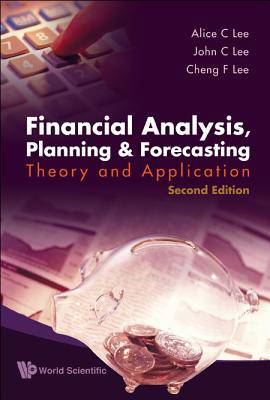
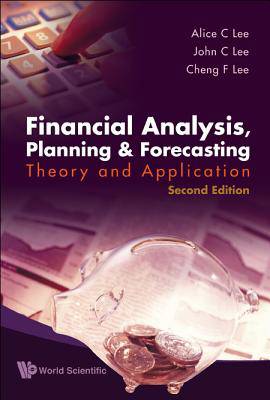
Financial Analysis, Planning and Forecasting: Theory and Application (2nd Edition)
Alice C Lee, John C Lee, Cheng Few Lee
Hardcover | Engels
€ 195,45
+ 390 punten
Omschrijving
News
Professor Cheng-Few Lee ranks #1 based on his publications in the 26 core finance journals, and #163 based on publications in the 7 leading finance journals (Source: Most Prolific Authors in the Finance Literature: 1959-2008 by Jean L Heck and Philip L Cooley (Saint Joseph's University and Trinity University).
Based on the authors' extensive teaching, research and business experiences, this book reviews, discusses and integrates both theoretical and practical aspects of financial planning and forecasting. The book is divided into six parts: Information and Methodology for Financial Analysis, Alternative Finance Theories and Their Application, Capital Budgeting and Leasing Decisions, Corporate Policies and Their Interrelationships, Short-term Financial Decisions, Financial Planning and Forecasting, and Overview.The theories used in this book are pre-Modigliani-Miller Theorem, Modigliani-Miller Theorem, Capital Asset Pricing Model and Arbitrage Pricing Theory, and Option Pricing Theory. The interrelationships among these theories are carefully analyzed. Meaningful real-world examples of using these theories are discussed step-by-step, with relevant data and methodology. Alternative planning and forecasting models are also used to show how the interdisciplinary approach is helpful in making meaningful financial management decisions.
Professor Cheng-Few Lee ranks #1 based on his publications in the 26 core finance journals, and #163 based on publications in the 7 leading finance journals (Source: Most Prolific Authors in the Finance Literature: 1959-2008 by Jean L Heck and Philip L Cooley (Saint Joseph's University and Trinity University).
Based on the authors' extensive teaching, research and business experiences, this book reviews, discusses and integrates both theoretical and practical aspects of financial planning and forecasting. The book is divided into six parts: Information and Methodology for Financial Analysis, Alternative Finance Theories and Their Application, Capital Budgeting and Leasing Decisions, Corporate Policies and Their Interrelationships, Short-term Financial Decisions, Financial Planning and Forecasting, and Overview.The theories used in this book are pre-Modigliani-Miller Theorem, Modigliani-Miller Theorem, Capital Asset Pricing Model and Arbitrage Pricing Theory, and Option Pricing Theory. The interrelationships among these theories are carefully analyzed. Meaningful real-world examples of using these theories are discussed step-by-step, with relevant data and methodology. Alternative planning and forecasting models are also used to show how the interdisciplinary approach is helpful in making meaningful financial management decisions.
Specificaties
Betrokkenen
- Auteur(s):
- Uitgeverij:
Inhoud
- Aantal bladzijden:
- 1136
- Taal:
- Engels
Eigenschappen
- Productcode (EAN):
- 9789812706089
- Verschijningsdatum:
- 1/11/2008
- Uitvoering:
- Hardcover
- Formaat:
- Genaaid
- Afmetingen:
- 160 mm x 231 mm
- Gewicht:
- 1700 g


Alleen bij Standaard Boekhandel
+ 390 punten op je klantenkaart van Standaard Boekhandel
CADEAU


Beoordelingen
We publiceren alleen reviews die voldoen aan de voorwaarden voor reviews. Bekijk onze voorwaarden voor reviews.