


- Afhalen na 1 uur in een winkel met voorraad
- Gratis thuislevering in België vanaf € 30
- Ruim aanbod met 7 miljoen producten
- Afhalen na 1 uur in een winkel met voorraad
- Gratis thuislevering in België vanaf € 30
- Ruim aanbod met 7 miljoen producten


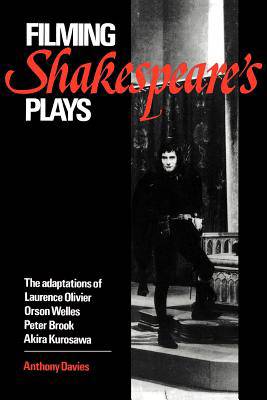
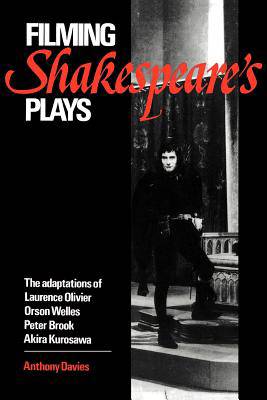
Filming Shakespeare's Plays
The Adaptations of Laurence Olivier, Orson Welles, Peter Brook, and Akira Kurosawa
Anthony Davies
Paperback | Engels
€ 82,45
+ 164 punten
Omschrijving
Davies begins his study with a comparison of theatrical and cinematic space showing that the dramatic resources of cinema are essentially spatial. Central chapters focus on Welles' Macbeth, Othello, and Chimes at Midnight; Olivier's Henry V, Hamlet, and Richard III; Brook's King Lear; and Kurosawa's Throne of Blood. Davies then discusses the dramatic problems the sources for these films pose for the film maker and he examines how these films influenced later theatrical stagings. The book concludes by exploring the demands that distinguish the work of a Shakespearean stage actor from his counterpart's in film.
Specificaties
Betrokkenen
- Auteur(s):
- Uitgeverij:
Inhoud
- Aantal bladzijden:
- 236
- Taal:
- Engels
Eigenschappen
- Productcode (EAN):
- 9780521399135
- Verschijningsdatum:
- 29/06/1990
- Uitvoering:
- Paperback
- Formaat:
- Trade paperback (VS)
- Afmetingen:
- 152 mm x 228 mm
- Gewicht:
- 403 g


Alleen bij Standaard Boekhandel
+ 164 punten op je klantenkaart van Standaard Boekhandel

Beoordelingen
We publiceren alleen reviews die voldoen aan de voorwaarden voor reviews. Bekijk onze voorwaarden voor reviews.