


- Afhalen na 1 uur in een winkel met voorraad
- Gratis thuislevering in België vanaf € 30
- Ruim aanbod met 7 miljoen producten
- Afhalen na 1 uur in een winkel met voorraad
- Gratis thuislevering in België vanaf € 30
- Ruim aanbod met 7 miljoen producten





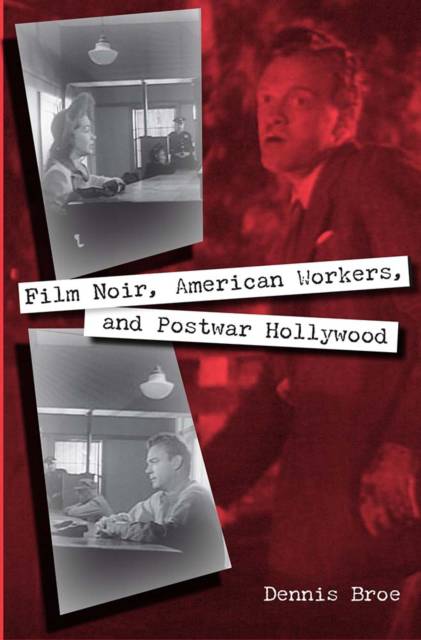
Film Noir, American Workers, and Postwar Hollywood
Dennis Broe
€ 41,95
+ 83 punten
Omschrijving
Film noir, which flourished in 1940s and 50s, reflected the struggles and sentiments of postwar America. Dennis Broe contends that the genre, with its emphasis on dark subject matter, paralleled the class conflict in labor and union movements that dominated the period. By following the evolution of film noir during the years following World War II, Broe illustrates how the noir figure represents labor as a whole. In the 1940s, both radicalized union members and protagonists of noir films were hunted and pursued by the law. Later, as labor unions achieve broad acceptance and respectability, the central noir figure shifts from fugitive criminal to law-abiding cop. Expanding his investigation into the Cold War and post/11 America, Broe extends his analysis of the ways film noir is intimately connected to labor history. A brilliant, interdisciplinary examination, this is a work that will appeal to a broad spectrum of readers.
Specificaties
Betrokkenen
- Auteur(s):
- Uitgeverij:
Inhoud
- Aantal bladzijden:
- 224
- Taal:
- Engels
- Reeks:
Eigenschappen
- Productcode (EAN):
- 9780813035499
- Verschijningsdatum:
- 1/04/2010
- Uitvoering:
- Paperback
- Formaat:
- Trade paperback (VS)
- Afmetingen:
- 152 mm x 229 mm
- Gewicht:
- 322 g


Alleen bij Standaard Boekhandel
+ 83 punten op je klantenkaart van Standaard Boekhandel
Cadeau

AANGERADEN


Beoordelingen
We publiceren alleen reviews die voldoen aan de voorwaarden voor reviews. Bekijk onze voorwaarden voor reviews.