


- Afhalen na 1 uur in een winkel met voorraad
- Gratis thuislevering in België vanaf € 30
- Ruim aanbod met 7 miljoen producten
- Afhalen na 1 uur in een winkel met voorraad
- Gratis thuislevering in België vanaf € 30
- Ruim aanbod met 7 miljoen producten





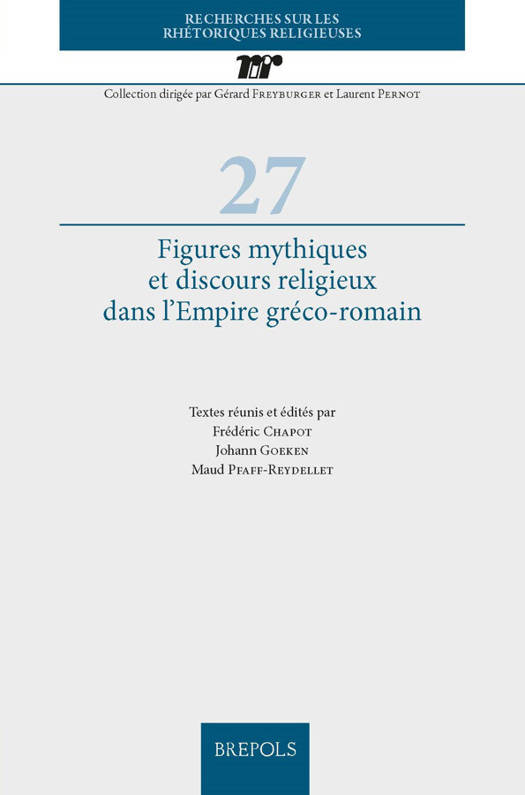
Figures mythiques et discours religieux dans l'Empire gréco-romain
Johann Goeken
€ 95,40
+ 190 punten
Omschrijving
Both in discourse about religions and in the religious discourse of the Greco-Roman Empire, the great figures of mythology and history functioned either as models or as foils, following their use in poetical, philosophical, historiographical, panegyrical or apologetical contexts. The approach's interest lies in the parallel consideration of different sorts of texts, generally examined independently otherwise: Augustan poetry, polytheistic rhetoric and historiography and Christian literature. Indeed, Pagans and Christians had many common concerns, expressed through the conceptual tools they borrowed from each other. Specific case studies reveal underlying connections in the elaboration of the exemplary figures and thus in the beliefs of the Greco-Roman Empire. The contributions show notably how exemplary figures are constructed by the communities depending upon them, the mediating role they play between men and gods, their networking signification, each one being defined by the interactions with the others, their role as rhetorical and polemical devices due to their adaptability, and, in the change of paradigm brought about by Christianity, how pagan figures persist and become a fundamental substratum for new figures, elaborated from these mythical exempla.
Specificaties
Betrokkenen
- Auteur(s):
- Uitgeverij:
Inhoud
- Aantal bladzijden:
- 290
- Taal:
- Frans
- Reeks:
- Reeksnummer:
- nr. 27
Eigenschappen
- Productcode (EAN):
- 9782503580791
- Verschijningsdatum:
- 14/03/2019
- Uitvoering:
- Paperback
- Formaat:
- Trade paperback (VS)
- Gewicht:
- 725 g


Alleen bij Standaard Boekhandel
+ 190 punten op je klantenkaart van Standaard Boekhandel
Cadeau

AANGERADEN


Beoordelingen
We publiceren alleen reviews die voldoen aan de voorwaarden voor reviews. Bekijk onze voorwaarden voor reviews.