


- Afhalen na 1 uur in een winkel met voorraad
- Gratis thuislevering in België vanaf € 30
- Ruim aanbod met 7 miljoen producten
- Afhalen na 1 uur in een winkel met voorraad
- Gratis thuislevering in België vanaf € 30
- Ruim aanbod met 7 miljoen producten





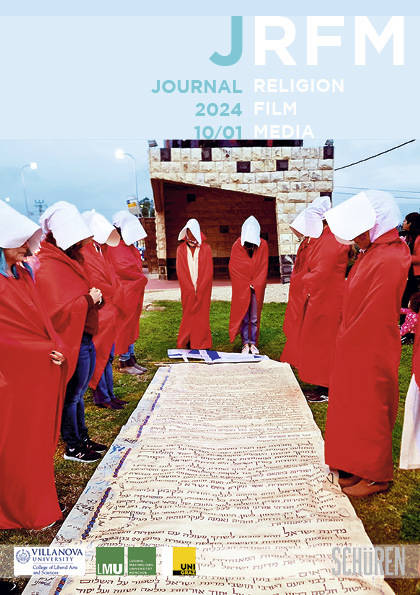
Fiction, Religion and Politics in The Handmaid's Tale
€ 16,95
+ 33 punten
Omschrijving
The articles presented in this issue of the Journal of Religion, Film and Media cannot provide all the answers for the global phenomenon that is The Handmaid's Tale. Even as they focus on the presence of the Bible, however, they do explore from a range of perspectives how a fictional narrative can shape contemporary culture through a variety of media and by addressing diverse audiences. The story within The Handmaid's Tale shows how important critical questions are and also how important it is to be permitted to ask them at all. That fundamental democratic right is not safe beyond the novel either. Why over the four decades since it was written, we might ask, has Atwood's story been received by multiple audiences, in multiple languages and through multiple media as a vehicle for critical public engagement with social and political processes? The answer lies surely in its relevance.
Specificaties
Betrokkenen
- Uitgeverij:
Inhoud
- Taal:
- Engels
- Reeks:
Eigenschappen
- Productcode (EAN):
- 9783741004575
- Verschijningsdatum:
- 26/06/2024
- Uitvoering:
- Paperback
- Afmetingen:
- 150 mm x 10 mm
- Gewicht:
- 218 g

Alleen bij Standaard Boekhandel
+ 33 punten op je klantenkaart van Standaard Boekhandel
Cadeau

AANGERADEN


Beoordelingen
We publiceren alleen reviews die voldoen aan de voorwaarden voor reviews. Bekijk onze voorwaarden voor reviews.