


- Afhalen na 1 uur in een winkel met voorraad
- Gratis thuislevering in België vanaf € 30
- Ruim aanbod met 7 miljoen producten
- Afhalen na 1 uur in een winkel met voorraad
- Gratis thuislevering in België vanaf € 30
- Ruim aanbod met 7 miljoen producten




€ 82,45
+ 164 punten
Omschrijving
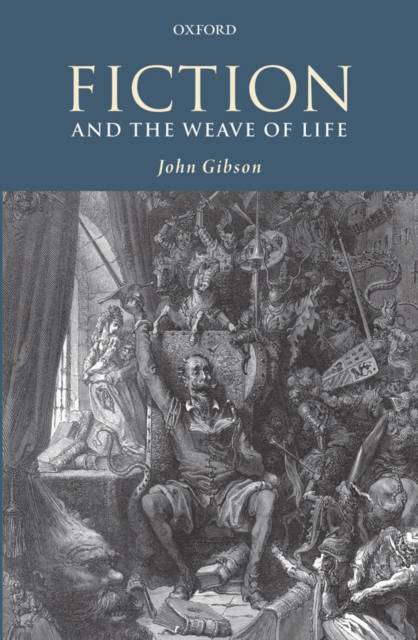
Literature is a source of understanding and insight into the human condition. Yet ever since Aristotle, philosophers have struggled to provide a plausible account of how this can be the case. For surely the fictionality - the sheer invented character - of the literary work means that literature concerns itself not with the real world but with other worlds - what are commonly called fictional worlds. How is it, then, that fictions can tell us something of consequence about reality? In Fiction and the Weave of Life, John Gibson offers a novel and intriguing account of the relationship between literature and life, and shows that literature's great cultural and cognitive value is inseparable from its fictionality and inventiveness.
Specificaties
Betrokkenen
- Auteur(s):
- Uitgeverij:
Inhoud
- Aantal bladzijden:
- 212
- Taal:
- Engels
Eigenschappen
- Productcode (EAN):
- 9780199642571
- Verschijningsdatum:
- 20/02/2012
- Uitvoering:
- Paperback
- Formaat:
- Trade paperback (VS)
- Afmetingen:
- 140 mm x 216 mm
- Gewicht:
- 249 g


Alleen bij Standaard Boekhandel
+ 164 punten op je klantenkaart van Standaard Boekhandel
Cadeau

AANGERADEN


Beoordelingen
We publiceren alleen reviews die voldoen aan de voorwaarden voor reviews. Bekijk onze voorwaarden voor reviews.