


- Afhalen na 1 uur in een winkel met voorraad
- Gratis thuislevering in België vanaf € 30
- Ruim aanbod met 7 miljoen producten
- Afhalen na 1 uur in een winkel met voorraad
- Gratis thuislevering in België vanaf € 30
- Ruim aanbod met 7 miljoen producten





€ 84,80
+ 169 punten
Omschrijving
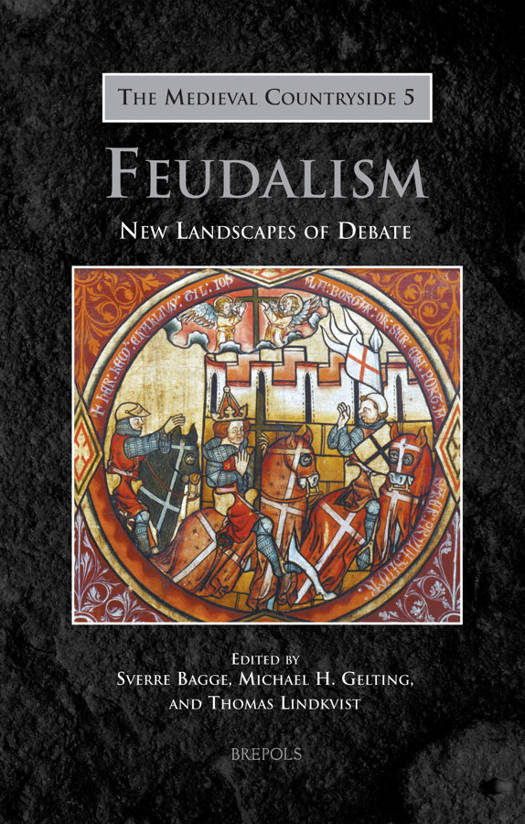
This up-to-date discussion takes as its starting point the challenge to the traditional notion of feudalism in the twenty-five years since the publication of Jean-Pierre Poly and Eric Bournazel's work on the 'mutation feodale' and Susan Reynolds's attack on the very idea of a feudal society in the Middle Ages. While these challenges have presented a new picture of Western Europe in the so-called feudal age, one more focused than the traditional model of feudalism was, no new scholarly consensus has yet emerged. The volume has two objectives. Firstly, it discusses the present state of research, bringing together leading representatives of the various interpretations of feudalism. It examines the character of medieval society, including questions of landholding, government, and the relationship between king and aristocracy. Secondly, it provides a new geographic perspective on the subject by considering countries little discussed from a feudal perspective. In addition to discussing countries that have been prominent in previous studies of feudalism such as England and France, the book also includes contributions on Germany, Spain, Scandinavia, Hungary, and Romania, thus supplying a truly European perspective and a comparative view of social structure in different regions of Europe.
Specificaties
Betrokkenen
- Auteur(s):
- Uitgeverij:
Inhoud
- Aantal bladzijden:
- 238
- Taal:
- Frans
- Reeks:
- Reeksnummer:
- nr. 5
Eigenschappen
- Productcode (EAN):
- 9782503531588
- Verschijningsdatum:
- 20/07/2011
- Uitvoering:
- Hardcover
- Formaat:
- Genaaid
- Afmetingen:
- 163 mm x 239 mm
- Gewicht:
- 566 g


Alleen bij Standaard Boekhandel
+ 169 punten op je klantenkaart van Standaard Boekhandel
Cadeau

AANGERADEN


Beoordelingen
We publiceren alleen reviews die voldoen aan de voorwaarden voor reviews. Bekijk onze voorwaarden voor reviews.