


- Afhalen na 1 uur in een winkel met voorraad
- Gratis thuislevering in België vanaf € 30
- Ruim aanbod met 7 miljoen producten
- Afhalen na 1 uur in een winkel met voorraad
- Gratis thuislevering in België vanaf € 30
- Ruim aanbod met 7 miljoen producten





€ 44,95
+ 89 punten
Uitvoering
Omschrijving
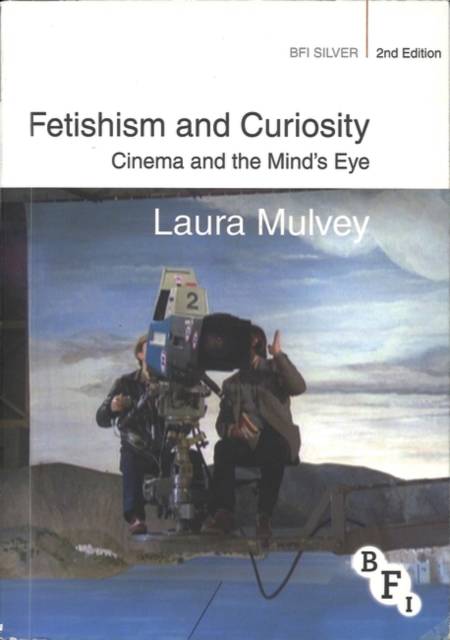
This edition of Laura Mulvey's classic work of feminist theory contains writings which range from analyses of Xala, Citizen Kane, and Blue Velvet to an extended engagement with the work of American Indian artist Jimmie Durham and the feminist photographer Cindy Sherman. The essays explore the concept of fetishism as developed by Marx and Freud, and how it relates to the ways in which artistic texts work. Mulvey here returns to some of the knottier issues in contemporary cultural theory, especially the links between looking, fantasy and theorization, on the one hand, and the processes of historical change on the other. What are the modes of address that characterize 'societies of the spectacle'? How might 'curiosity' be directed towards deciphering the politics of popular culture? These are some of the questions raised in this brilliant and subtle collection.
Specificaties
Betrokkenen
- Auteur(s):
- Uitgeverij:
Inhoud
- Aantal bladzijden:
- 288
- Taal:
- Engels
- Reeks:
Eigenschappen
- Productcode (EAN):
- 9781844575084
- Verschijningsdatum:
- 26/07/2013
- Uitvoering:
- Paperback
- Formaat:
- Trade paperback (VS)
- Afmetingen:
- 127 mm x 178 mm
- Gewicht:
- 462 g


Alleen bij Standaard Boekhandel
+ 89 punten op je klantenkaart van Standaard Boekhandel
Cadeau

AANGERADEN


Beoordelingen
We publiceren alleen reviews die voldoen aan de voorwaarden voor reviews. Bekijk onze voorwaarden voor reviews.