


- Afhalen na 1 uur in een winkel met voorraad
- Gratis thuislevering in België vanaf € 30
- Ruim aanbod met 7 miljoen producten
- Afhalen na 1 uur in een winkel met voorraad
- Gratis thuislevering in België vanaf € 30
- Ruim aanbod met 7 miljoen producten





€ 100,70
+ 201 punten
Omschrijving
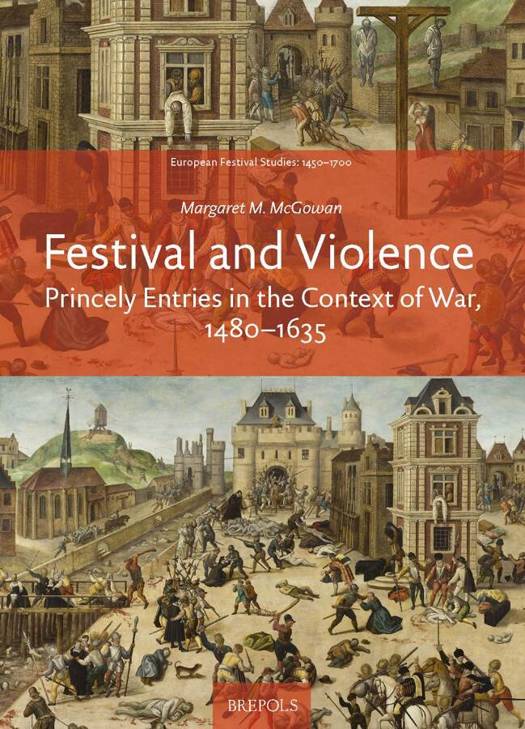
European Renaissance Festivals are noted for their extravagance, for their inherited classical culture, and as evidence of how court and civic spectacles could express political, religious, social and economic aspirations. In this new monograph, the accent is firmly on the violent context of Magnificence: it examines how war affected the minds and practice of both artists and princes, and shows how victims and their suffering were as prominent in festival as were conquerors and their projections of victory. What emerges here is the dark side represented in princely entries where imperial ambitions are built upon civic devastation and where myths elaborate and expose their ambiguous nature and message. Artists and poets collaborated in bringing victory and violence together: Mantegna and Durer in triumphal processions; Frans Floris and Rubens on the canvases they created for triumphal arches where mythology was put to work to arouse excitement for deeds of heroism and death, while engravers depicted scenes of war and destruction to accommodate contemporary taste.
Specificaties
Betrokkenen
- Auteur(s):
- Uitgeverij:
Inhoud
- Aantal bladzijden:
- 303
- Taal:
- Engels
- Reeks:
Eigenschappen
- Productcode (EAN):
- 9782503583334
- Verschijningsdatum:
- 12/09/2019
- Uitvoering:
- Hardcover
- Formaat:
- Genaaid
- Afmetingen:
- 183 mm x 259 mm
- Gewicht:
- 957 g


Alleen bij Standaard Boekhandel
+ 201 punten op je klantenkaart van Standaard Boekhandel
Cadeau

AANGERADEN


Beoordelingen
We publiceren alleen reviews die voldoen aan de voorwaarden voor reviews. Bekijk onze voorwaarden voor reviews.