



Bedankt voor het vertrouwen het afgelopen jaar! Om jou te bedanken bieden we GRATIS verzending (in België) aan op alles gedurende de hele maand januari.
- Afhalen na 1 uur in een winkel met voorraad
- In januari gratis thuislevering in België
- Ruim aanbod met 7 miljoen producten
Bedankt voor het vertrouwen het afgelopen jaar! Om jou te bedanken bieden we GRATIS verzending (in België) aan op alles gedurende de hele maand januari.
- Afhalen na 1 uur in een winkel met voorraad
- In januari gratis thuislevering in België
- Ruim aanbod met 7 miljoen producten





€ 257,95
+ 515 punten
Omschrijving
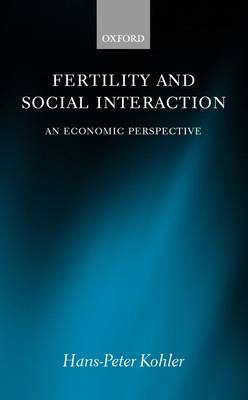
Considerable controversy exists among demographers, economists, and sociologists over the causes of fertility change in developing and developed countries. The neoclassical economic approach to fertility is embraced by its supporters because it facilitates the application of sophisticated consumer and household production theory to one of the most private and intimate questions: a couple's reproductive behavior. Despite the theoretical appeal of the economic approach, it has been eschewed by many critics because of its lack of social and institutional context, its neglect of cultural factors, and its requirement of 'rationality'. The integration of social interaction with economic fertility models in this book emerges as a powerful tool to overcome many of these criticisms.
Specificaties
Betrokkenen
- Auteur(s):
- Uitgeverij:
Inhoud
- Aantal bladzijden:
- 230
- Taal:
- Engels
Eigenschappen
- Productcode (EAN):
- 9780199244591
- Verschijningsdatum:
- 29/11/2001
- Uitvoering:
- Hardcover
- Formaat:
- Genaaid
- Afmetingen:
- 140 mm x 216 mm
- Gewicht:
- 444 g


Alleen bij Standaard Boekhandel
+ 515 punten op je klantenkaart van Standaard Boekhandel
SOLDEN


Beoordelingen
We publiceren alleen reviews die voldoen aan de voorwaarden voor reviews. Bekijk onze voorwaarden voor reviews.