


- Afhalen na 1 uur in een winkel met voorraad
- Gratis thuislevering in België vanaf € 30
- Ruim aanbod met 7 miljoen producten
- Afhalen na 1 uur in een winkel met voorraad
- Gratis thuislevering in België vanaf € 30
- Ruim aanbod met 7 miljoen producten




Omschrijving
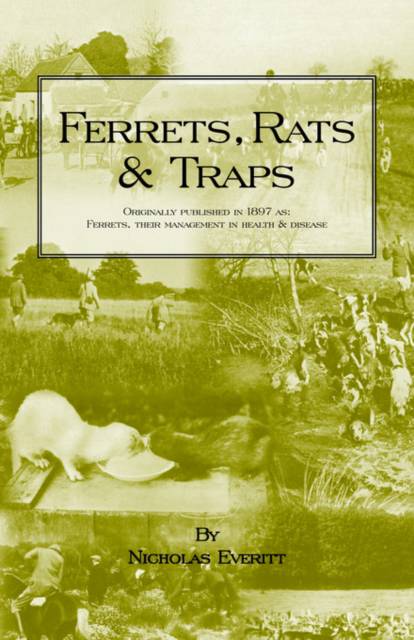
Ferrets, Rats and Traps, originally published in 1897 as: "Ferrets Their Management in Health and Disease." By Nicholas Everitt. This hitherto rare and much sought after book was the first comprehensive work to be written on the subject of ferrets and ferreting in England. Over 200 pages of content deal with every aspect of the ferret and its use both as a working animal and for pleasure or profit. The author, an acknowledged expert in his field, wrote numerous short articles on "Ferrets and All About Them" for early editions of The Shooting Times. By popular demand he eventually reprinted them in book form, with additions and alterations, and published this to much critical acclaim in March 1897. Read Country Books has now re-published "Ferrets" in its original format, including the interesting black and white illustrations of ferreting, ferret equipment, and vermin traps. The books contents are arranged in two sections. The first 160 pages deal with the origins of the ferret and also discuss the polecat, weasel, stoat and marten. Also included in this section are recommendations for ferret hutches, yards and courts, with illustrations of these and also ferret traps and working boxes produced by trap manufacturers of the time. Other chapters deal with ferret management, breeding and rearing, including advice on ailments and disease. The comprehensive chapters on working ferrets are a fascinating record of rural sport in the late 19th century, and will appeal greatly to todays ferreters. Further chapters on the laws relating to ferrets and ferreting will prove of historical interest. Section two of the book deals with trapping and with rats, their origins, habits and control. The prevention methods discussed include ferreting, trapping, shooting, poisoning etc. Much mention is made of various manufacturers and their traps, with some of them being illustrated. This fascinating book ends with a descriptive chapter of an 1890's November days ferreting.
Specificaties
Betrokkenen
- Auteur(s):
- Uitgeverij:
Inhoud
- Aantal bladzijden:
- 232
- Taal:
- Engels
Eigenschappen
- Productcode (EAN):
- 9781905124091
- Verschijningsdatum:
- 1/04/2005
- Uitvoering:
- Paperback
- Formaat:
- Trade paperback (VS)
- Afmetingen:
- 140 mm x 216 mm
- Gewicht:
- 299 g


Alleen bij Standaard Boekhandel
+ 56 punten op je klantenkaart van Standaard Boekhandel
AANGERADEN


Beoordelingen
We publiceren alleen reviews die voldoen aan de voorwaarden voor reviews. Bekijk onze voorwaarden voor reviews.