


- Afhalen na 1 uur in een winkel met voorraad
- Gratis thuislevering in België vanaf € 30
- Ruim aanbod met 7 miljoen producten
- Afhalen na 1 uur in een winkel met voorraad
- Gratis thuislevering in België vanaf € 30
- Ruim aanbod met 7 miljoen producten




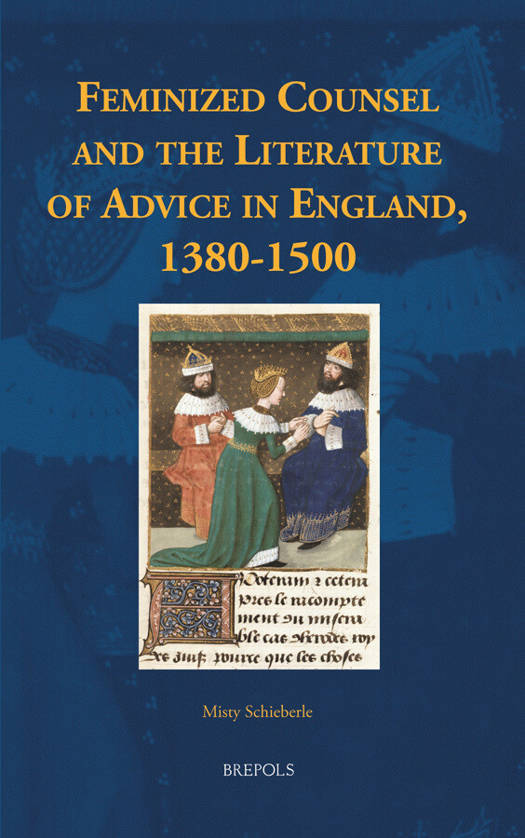
Feminized Counsel and the Literature of Advice in England, 1380-1500
Misty Schieberle
€ 95,40
+ 190 punten
Omschrijving
The term 'feminized counsel' denotes the advice associated with and spoken by women characters. This book demonstrates that rather than classify women's voices as an opposite against which to define masculine authority, late medieval vernacular poets embraced the feminine as a representation of their subordination to kings, patrons, and authorities. The works studied include Gower's Confessio Amantis, Chaucer's Legend of Good Women and Melibee, and English translations of Christine de Pizan's Epistre Othea. To advise readers, these texts draw on the politicized genre of mirrors for princes. Whereas Latin mirrors such as the Secretum secretorum and Giles of Rome's De regimine principum represented women as inferior, weak, and detrimental to masculine authority, these vernacular texts break traditional expectations and portray women as essential and authoritative political counsellors. By considering Latin and French sources, historical models of queens' intercessions, and literary models of authoritative female personifications, this study explores the woman counsellor as a literary topos that enabled poets to criticize, advise, and influence powerful readers. Feminized Counsel elucidates the manner in which vernacular poets concerned with issues of counsel, mercy, and power identified with fictional women's struggles to develop authority in the political sphere. These women counsellors become enabling models that paradoxically generate authority for poets who also lack access to traditionally recognized forms of intellectual or literary authority.
Specificaties
Betrokkenen
- Auteur(s):
- Uitgeverij:
Inhoud
- Aantal bladzijden:
- 234
- Taal:
- Frans
- Reeks:
- Reeksnummer:
- nr. 26
Eigenschappen
- Productcode (EAN):
- 9782503550121
- Verschijningsdatum:
- 24/06/2014
- Uitvoering:
- Hardcover
- Formaat:
- Genaaid
- Afmetingen:
- 147 mm x 208 mm
- Gewicht:
- 417 g


Alleen bij Standaard Boekhandel
+ 190 punten op je klantenkaart van Standaard Boekhandel
AANGERADEN


Beoordelingen
We publiceren alleen reviews die voldoen aan de voorwaarden voor reviews. Bekijk onze voorwaarden voor reviews.