


Bedankt voor het vertrouwen het afgelopen jaar! Om jou te bedanken bieden we GRATIS verzending (in België) aan op alles gedurende de hele maand januari.
- Afhalen na 1 uur in een winkel met voorraad
- In januari gratis thuislevering in België
- Ruim aanbod met 7 miljoen producten
Bedankt voor het vertrouwen het afgelopen jaar! Om jou te bedanken bieden we GRATIS verzending (in België) aan op alles gedurende de hele maand januari.
- Afhalen na 1 uur in een winkel met voorraad
- In januari gratis thuislevering in België
- Ruim aanbod met 7 miljoen producten




€ 198,45
+ 396 punten
Omschrijving
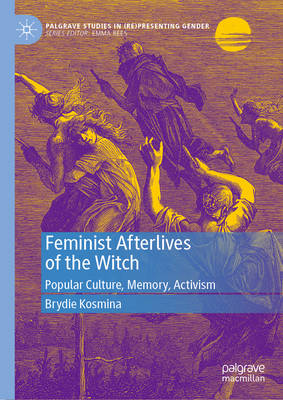
The book investigates the witch as a key rhetorical symbol in twentieth- and twenty-first century feminist memory, politics, activism, and popular culture. The witch demonstrates the inheritance of paradoxical pasts, traversing numerous ideological memoryscapes. This book is an examination of the ways that the witch has been deployed by feminist activists and writers in their political efforts in the twentieth century, and how this has indelibly affected cultural memories of the witch and the witch trials, and how this plays out in popular culture representations of the symbol through the twentieth and twenty-first centuries. Consequently, this book considers the relationship between popular culture and media, activist politics, and cultural memory. Using hauntological theories of memory and temporality, and literary, screen, and cultural studies methodologies, this book considers how popular culture remembers, misremembers, and forgets usable pasts, and the uses (and misuses) of thesememories for feminist politics. Given the ubiquity of the witch in popular culture, politics and activism since 2016, this book is a timely examination of the range of meanings inherent to the figure, and is an important study of how cultural symbols like the witch inherit paradoxical memories, histories, and politics. The book will be valuable for scholars across disciplines, including witchcraft studies, feminist philosophy and history, memory studies, and popular culture studies.
Specificaties
Betrokkenen
- Auteur(s):
- Uitgeverij:
Inhoud
- Aantal bladzijden:
- 262
- Taal:
- Engels
- Reeks:
Eigenschappen
- Productcode (EAN):
- 9783031252914
- Verschijningsdatum:
- 1/04/2023
- Uitvoering:
- Hardcover
- Formaat:
- Genaaid
- Afmetingen:
- 148 mm x 210 mm
- Gewicht:
- 485 g


Alleen bij Standaard Boekhandel
+ 396 punten op je klantenkaart van Standaard Boekhandel
SOLDEN


Beoordelingen
We publiceren alleen reviews die voldoen aan de voorwaarden voor reviews. Bekijk onze voorwaarden voor reviews.