


- Afhalen na 1 uur in een winkel met voorraad
- Gratis thuislevering in België vanaf € 30
- Ruim aanbod met 7 miljoen producten
- Afhalen na 1 uur in een winkel met voorraad
- Gratis thuislevering in België vanaf € 30
- Ruim aanbod met 7 miljoen producten





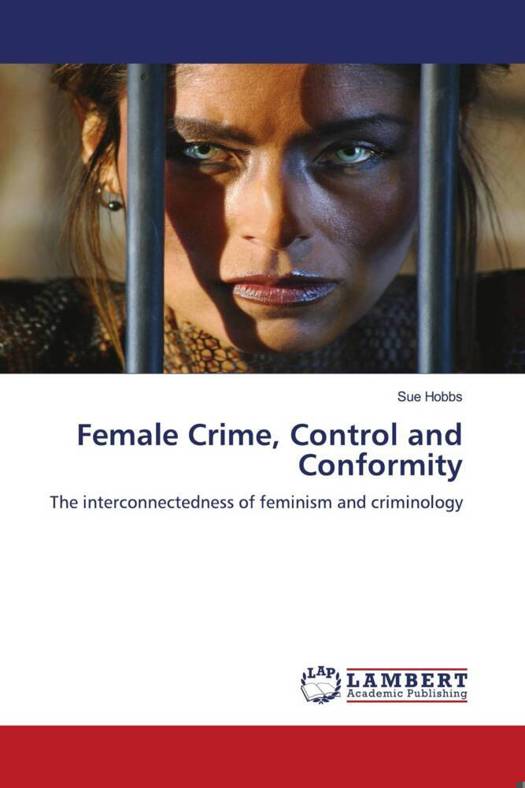
Female Crime, Control and Conformity
The interconnectedness of feminism and criminology
Sue Hobbs
Paperback | Engels
€ 48,45
+ 96 punten
Omschrijving
Over the last 40 years, our knowledge and understanding of the social world have been transformed by feminist perspectives. Taking as its starting point that there is no one feminism and no one criminology, this book sets out to explore the myriad of interconnections between different feminist perspectives and criminology. Its purpose is the shed light on Smart's proposition that: criminology needs feminism, more than feminism needs criminology. The book explores different trajectories of feminist theory development, and examines the contribution that different feminist perspectives have made to the study of female crime, control and conformity. It highlights key debates within feminism and criminology, and explores the degree to which feminism has created new sites of inquiry and new modes of understanding that have transgressed criminology. Through its systematic analysis of the different terrains occupied by different feminist criminologists, the book aims to provide students of criminology and feminism with a route map through the plethora of studies that constitute feminist criminologies.
Specificaties
Betrokkenen
- Auteur(s):
- Uitgeverij:
Inhoud
- Aantal bladzijden:
- 80
- Taal:
- Engels
Eigenschappen
- Productcode (EAN):
- 9783843373340
- Verschijningsdatum:
- 16/11/2010
- Uitvoering:
- Paperback
- Afmetingen:
- 150 mm x 220 mm
- Gewicht:
- 127 g


Alleen bij Standaard Boekhandel
+ 96 punten op je klantenkaart van Standaard Boekhandel
Cadeau

AANGERADEN


Beoordelingen
We publiceren alleen reviews die voldoen aan de voorwaarden voor reviews. Bekijk onze voorwaarden voor reviews.