


- Afhalen na 1 uur in een winkel met voorraad
- Gratis thuislevering in België vanaf € 30
- Ruim aanbod met 7 miljoen producten
- Afhalen na 1 uur in een winkel met voorraad
- Gratis thuislevering in België vanaf € 30
- Ruim aanbod met 7 miljoen producten





€ 112,95
+ 225 punten
Uitvoering
Omschrijving
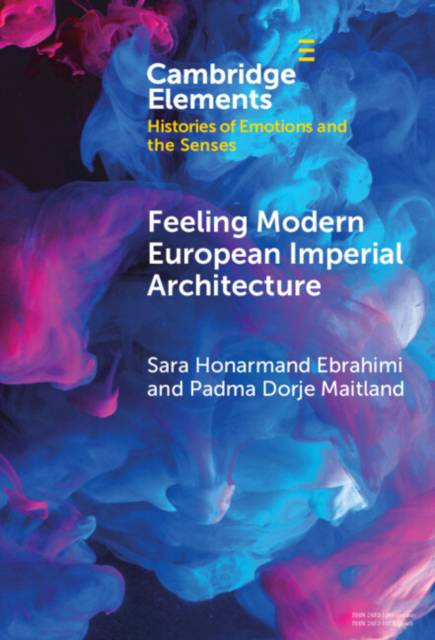
This Element serves as an invitation to architectural historians of modern European imperialism to embrace the insights and claims of the history of emotions. That said, the Element is not a call for an 'intimate', 'affective' or 'emotional' history. Rather, it is an attempt to show how the omission of emotions as mere effects of historical circumstances, devoid of reason, judgment and rationality, combined with a failure to historicise both emotions themselves and the relationship between buildings and feelings, impoverishes our understanding of European imperial architecture. The thematic content of the Element encompasses defining emotions, understanding power, multivalence, changing and unexpected experiences of imperial buildings and unlearning the experience of imperial architecture through the lens of the history of emotions.
Specificaties
Betrokkenen
- Auteur(s):
- Uitgeverij:
Inhoud
- Aantal bladzijden:
- 82
- Taal:
- Engels
- Reeks:
Eigenschappen
- Productcode (EAN):
- 9781009565622
- Verschijningsdatum:
- 19/03/2026
- Uitvoering:
- Hardcover
- Formaat:
- Genaaid
- Afmetingen:
- 152 mm x 229 mm
- Gewicht:
- 281 g


Alleen bij Standaard Boekhandel
+ 225 punten op je klantenkaart van Standaard Boekhandel
Cadeau

AANGERADEN


Beoordelingen
We publiceren alleen reviews die voldoen aan de voorwaarden voor reviews. Bekijk onze voorwaarden voor reviews.