


- Afhalen na 1 uur in een winkel met voorraad
- Gratis thuislevering in België vanaf € 30
- Ruim aanbod met 7 miljoen producten
- Afhalen na 1 uur in een winkel met voorraad
- Gratis thuislevering in België vanaf € 30
- Ruim aanbod met 7 miljoen producten





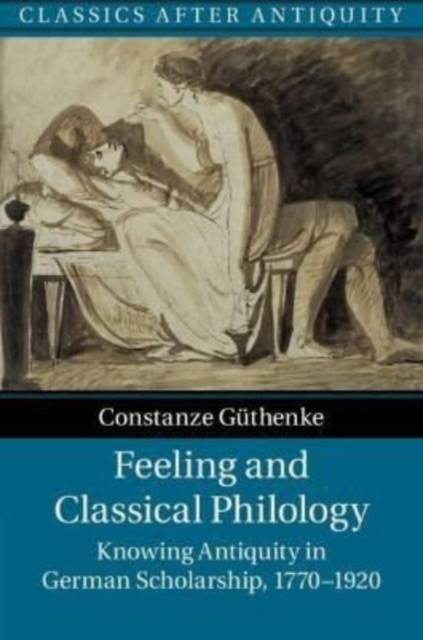
Feeling and Classical Philology
Knowing Antiquity in German Scholarship, 1770-1920
Constanze Güthenke
€ 49,45
+ 98 punten
Omschrijving
Nineteenth-century German classical philology underpins many structures of the modern humanities. In this book, Constanze Güthenke shows how a language of love and a longing for closeness with a personified antiquity have lastingly shaped modern professional reading habits, notions of biography, and the self-image of scholars and teachers. She argues that a discourse of love was instrumental in expressing the challenges of specialisation and individual formation (Bildung), and in particular for the key importance of a Platonic scene of learning and instruction for imagining the modern scholar. The book is based on detailed readings of programmatic texts from, among others, Wolf, Schleiermacher, Boeckh, Thiersch, Dilthey, Wilamowitz and Nietzsche. It makes a case for revising established narratives, but also for finding new value in imagining distance and an absence of nostalgic longing for antiquity.
Specificaties
Betrokkenen
- Auteur(s):
- Uitgeverij:
Inhoud
- Aantal bladzijden:
- 242
- Taal:
- Engels
- Reeks:
Eigenschappen
- Productcode (EAN):
- 9781107504295
- Verschijningsdatum:
- 19/05/2022
- Uitvoering:
- Paperback
- Formaat:
- Trade paperback (VS)
- Afmetingen:
- 152 mm x 229 mm
- Gewicht:
- 326 g


Alleen bij Standaard Boekhandel
+ 98 punten op je klantenkaart van Standaard Boekhandel
Cadeau

AANGERADEN


Beoordelingen
We publiceren alleen reviews die voldoen aan de voorwaarden voor reviews. Bekijk onze voorwaarden voor reviews.