


- Afhalen na 1 uur in een winkel met voorraad
- Gratis thuislevering in België vanaf € 30
- Ruim aanbod met 7 miljoen producten
- Afhalen na 1 uur in een winkel met voorraad
- Gratis thuislevering in België vanaf € 30
- Ruim aanbod met 7 miljoen producten


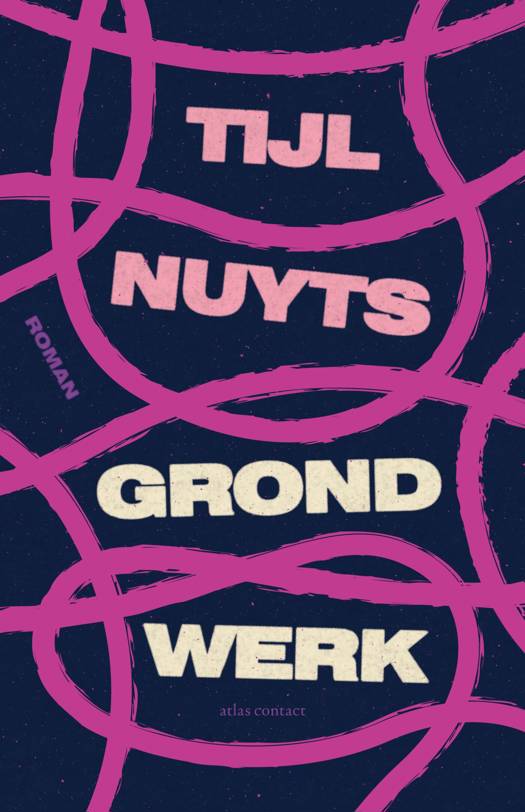


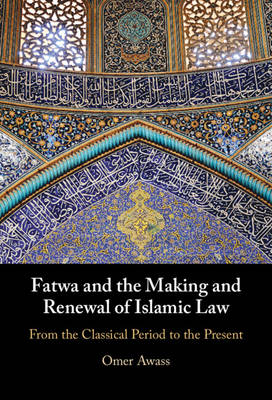
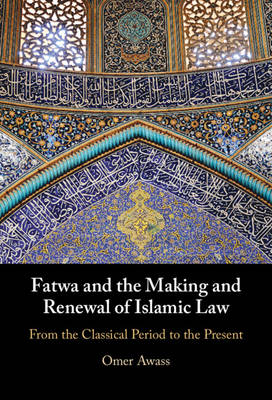
Fatwa and the Making and Renewal of Islamic Law
From the Classical Period to the Present
Omer Awass
Hardcover | Engels
€ 168,95
+ 337 punten
Uitvoering
Omschrijving
In this book, Omer Awass examines the formation, history, and transformation of the Islamic legal discourse and institutions through the lens of a particular legal practice: the issuance of fatwas (legal opinions). Tracing the growth of Islamic law over a vast geographical expanse -from Andalusia to India - and a long temporal span - from the 7th to the 21st century, he conceptualizes fatwas as the 'atomic units' of Islamic law. Awass argues that they have been a crucial element in the establishment of an Islamic legal tradition. He also provides numerous case studies that touch on economic, social, political, and religious topics. Written in an accessible style, this volume is the first to offer a comprehensive investigation of fatwas within such a broad spatio-temporal scope. It demonstrates how instrumental fatwas have been to the formation of Islamic legal traditions and institutions, as well as their unique forms of reasoning.
Specificaties
Betrokkenen
- Auteur(s):
- Uitgeverij:
Inhoud
- Aantal bladzijden:
- 308
- Taal:
- Engels
Eigenschappen
- Productcode (EAN):
- 9781009260909
- Verschijningsdatum:
- 27/04/2023
- Uitvoering:
- Hardcover
- Formaat:
- Genaaid
- Afmetingen:
- 152 mm x 229 mm
- Gewicht:
- 621 g


Alleen bij Standaard Boekhandel
+ 337 punten op je klantenkaart van Standaard Boekhandel
AANGERADEN


Beoordelingen
We publiceren alleen reviews die voldoen aan de voorwaarden voor reviews. Bekijk onze voorwaarden voor reviews.