


- Afhalen na 1 uur in een winkel met voorraad
- Gratis thuislevering in België vanaf € 30
- Ruim aanbod met 7 miljoen producten
- Afhalen na 1 uur in een winkel met voorraad
- Gratis thuislevering in België vanaf € 30
- Ruim aanbod met 7 miljoen producten





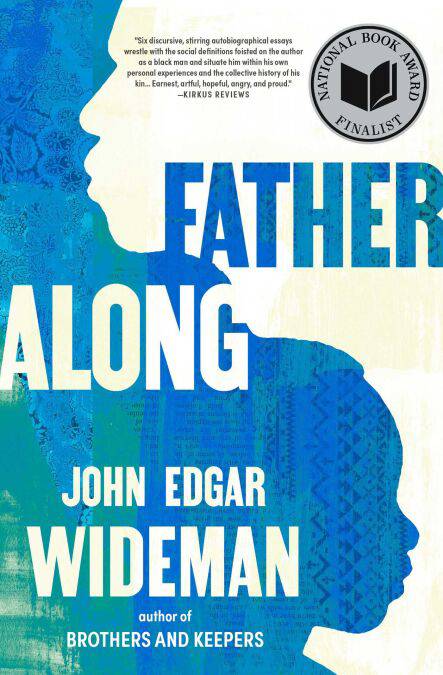
Fatheralong E-BOOK
A Meditation on Fathers and Sons, Race and Society
John Edgar Wideman
E-book | Engels
€ 15,65
+ 15 punten
Uitvoering
Omschrijving
The reissued classic from “master of language” (The New York Times) John Edgar Wideman—a “superb” (New York Times Book Review) memoir in five essays about fathers, and Wideman's vexed relationship with his own.
An essential chronicler of Black American experience for over half a century, John Edgar Wideman has been hailed as one of the most important and influential writers of his generation. In Fatheralong, finalist for the 1994 National Book Award, Wideman examines the tidal pull of the narratives and scripts around the sometimes challenging father-son relationship. This searing work is an elegiac mirror to Brothers and Keepers, his landmark memoir about the divergent paths between he and his brother Robby, and the knotted, unbreakable cord of blood, love, and guilt that binds them together. In Fatheralong, we return to Homewood, the Pittsburgh neighborhood in which the two brothers were raised, but here, Wideman takes us even further back into the past, to the generations of Wideman fathers that preceded him. Tracing the contours of his family’s story back to a South Carolinian hamlet called Promised Land, and the trip there he took with his own estranged father, and then back into the present, in his own role as the father of his three children, Fatheralong exposes the hope and fatalism, wisdom and despair, that underwrites all lineage and all ancestry—the strange and universal condition of having come from someone.
In Fatheralong, we see Wideman at his most “earnest, artful, hopeful, angry, and proud” (Kirkus Review), as he imagines on the page, “how different we might be if we really listened to our fathers' stories.” A classic text by a formidable writer, ready for a new generation of readers.
An essential chronicler of Black American experience for over half a century, John Edgar Wideman has been hailed as one of the most important and influential writers of his generation. In Fatheralong, finalist for the 1994 National Book Award, Wideman examines the tidal pull of the narratives and scripts around the sometimes challenging father-son relationship. This searing work is an elegiac mirror to Brothers and Keepers, his landmark memoir about the divergent paths between he and his brother Robby, and the knotted, unbreakable cord of blood, love, and guilt that binds them together. In Fatheralong, we return to Homewood, the Pittsburgh neighborhood in which the two brothers were raised, but here, Wideman takes us even further back into the past, to the generations of Wideman fathers that preceded him. Tracing the contours of his family’s story back to a South Carolinian hamlet called Promised Land, and the trip there he took with his own estranged father, and then back into the present, in his own role as the father of his three children, Fatheralong exposes the hope and fatalism, wisdom and despair, that underwrites all lineage and all ancestry—the strange and universal condition of having come from someone.
In Fatheralong, we see Wideman at his most “earnest, artful, hopeful, angry, and proud” (Kirkus Review), as he imagines on the page, “how different we might be if we really listened to our fathers' stories.” A classic text by a formidable writer, ready for a new generation of readers.
Specificaties
Betrokkenen
- Auteur(s):
- Uitgeverij:
Inhoud
- Aantal bladzijden:
- 256
- Taal:
- Engels
Eigenschappen
- Productcode (EAN):
- 9781668036426
- Verschijningsdatum:
- 7/12/2026
- Uitvoering:
- E-book
- Beveiligd met:
- Adobe DRM
- Formaat:
- ePub


Alleen bij Standaard Boekhandel
+ 15 punten op je klantenkaart van Standaard Boekhandel
Cadeau

AANGERADEN


Beoordelingen
We publiceren alleen reviews die voldoen aan de voorwaarden voor reviews. Bekijk onze voorwaarden voor reviews.