


- Afhalen na 1 uur in een winkel met voorraad
- Gratis thuislevering in België vanaf € 30
- Ruim aanbod met 7 miljoen producten
- Afhalen na 1 uur in een winkel met voorraad
- Gratis thuislevering in België vanaf € 30
- Ruim aanbod met 7 miljoen producten





€ 122,95
+ 245 punten
Omschrijving
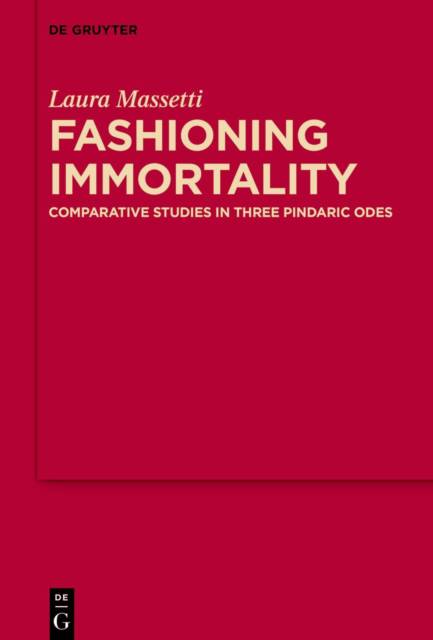
The book is an interdisciplinary study on Pythian Three, Nemean Three and Nemean Five, three Pindaric epinicians, which share a special use of the word ni, 'fashioner'. In these victory odes, the term ni refers to creators of immaterial objects and occurs close to the first and/or the final words of the poems, in connection with key themes, namely: health, poetry, choral performance, movement as opposed to stasis.
The study shows that structures in which Pindaric metaphors are found have parallels in Indo-European languages of ancient attestation: Old Indic and Avestan. In doing so, the book casts new light on Pindar's language and the stylistic features of his odes, which are in a relation of historical continuity with phraseological and structural characteristics of religious hymns of Ancient India and Iran. The study reveals that *tet -metaphors and "*tet -compositions", i.e. metaphors and ring-compositions built by means of repetitions of "*tet -words" (Vedic taks, Avestan tas, and Greek ni), have a deep meta-thematic relevance in three linguistically related traditions and are an inherited phraseological stylistic feature common to Ancient Greek and Indo-Iranian poetic creations.
Specificaties
Betrokkenen
- Auteur(s):
- Uitgeverij:
Inhoud
- Aantal bladzijden:
- 312
- Taal:
- Engels
- Reeks:
- Reeksnummer:
- nr. 20
Eigenschappen
- Productcode (EAN):
- 9783119147699
- Verschijningsdatum:
- 29/12/2025
- Uitvoering:
- Hardcover
- Formaat:
- Genaaid
- Afmetingen:
- 156 mm x 234 mm
- Gewicht:
- 616 g


Alleen bij Standaard Boekhandel
+ 245 punten op je klantenkaart van Standaard Boekhandel
Cadeau

AANGERADEN


Beoordelingen
We publiceren alleen reviews die voldoen aan de voorwaarden voor reviews. Bekijk onze voorwaarden voor reviews.