



Bedankt voor het vertrouwen het afgelopen jaar! Om jou te bedanken bieden we GRATIS verzending (in België) aan op alles gedurende de hele maand januari.
- Afhalen na 1 uur in een winkel met voorraad
- In januari gratis thuislevering in België
- Ruim aanbod met 7 miljoen producten
Bedankt voor het vertrouwen het afgelopen jaar! Om jou te bedanken bieden we GRATIS verzending (in België) aan op alles gedurende de hele maand januari.
- Afhalen na 1 uur in een winkel met voorraad
- In januari gratis thuislevering in België
- Ruim aanbod met 7 miljoen producten





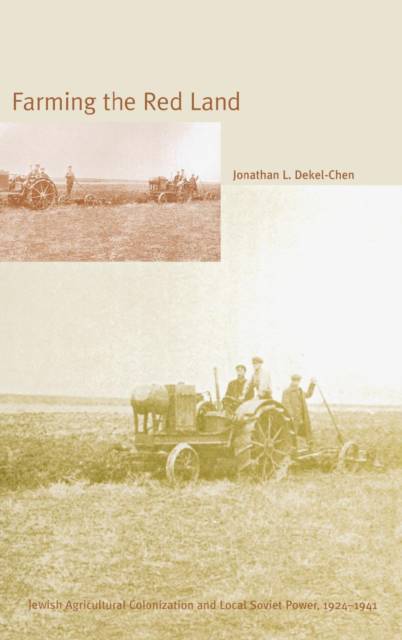
Farming the Red Land
Jewish Agricultural Colonization and Local Soviet Power, 1924-1941
Jonathan L Dekel-Chen
Hardcover | Engels
€ 130,95
+ 261 punten
Omschrijving
This is the first history of the Jewish agricultural colonies that were established in Crimea and Southern Ukraine in 1924 and that, fewer than 20 years later, ended in tragedy. Jonathan Dekel-Chen opens an extraordinary window on Soviet rural life during these turbulent years, and he documents the remarkable relations that developed among the American-Jewish sponsors of the ambitious project, the Soviet authorities, and the colonists themselves.
Drawing on extensive and largely untouched archives and a wealth of previously unpublished oral histories, the book revises what has been understood about these agricultural settlements. Dekel-Chen offers new conclusions about integration and separation among Soviet Jews, the contours of international relations, and the balance of political forces within the Jewish world during this volatile period.
Drawing on extensive and largely untouched archives and a wealth of previously unpublished oral histories, the book revises what has been understood about these agricultural settlements. Dekel-Chen offers new conclusions about integration and separation among Soviet Jews, the contours of international relations, and the balance of political forces within the Jewish world during this volatile period.
Specificaties
Betrokkenen
- Auteur(s):
- Uitgeverij:
Inhoud
- Aantal bladzijden:
- 384
- Taal:
- Engels
Eigenschappen
- Productcode (EAN):
- 9780300103311
- Verschijningsdatum:
- 11/05/2005
- Uitvoering:
- Hardcover
- Formaat:
- Genaaid
- Afmetingen:
- 162 mm x 244 mm
- Gewicht:
- 671 g


Alleen bij Standaard Boekhandel
+ 261 punten op je klantenkaart van Standaard Boekhandel
SOLDEN


Beoordelingen
We publiceren alleen reviews die voldoen aan de voorwaarden voor reviews. Bekijk onze voorwaarden voor reviews.