


- Afhalen na 1 uur in een winkel met voorraad
- Gratis thuislevering in België vanaf € 30
- Ruim aanbod met 7 miljoen producten
- Afhalen na 1 uur in een winkel met voorraad
- Gratis thuislevering in België vanaf € 30
- Ruim aanbod met 7 miljoen producten





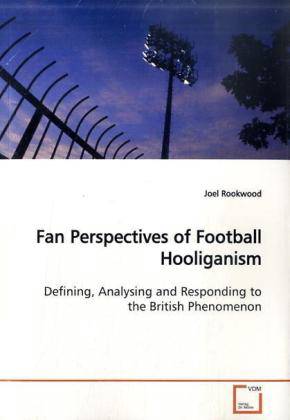
Fan Perspectives of Football Hooliganism
Defining, Analysing and Responding to the British Phenomenon
Joel Rookwood
Paperback | Engels
€ 77,95
+ 155 punten
Omschrijving
Football hooliganism has been prevalent in almost every country where the game is played. This has particularly been the case in Britain, where the phenomenon has produced consequences of varying degrees of severity. Many academic investigations have examined the problem by gauging opinions of hooligans and to a lesser extent, the police. The perspectives of the non-violent majority of supporters have been consistently overlooked, yet they often share the same space, rituals and social characteristics as hooligans, and also witness football violence and the processes that instigate and escalate it. This work therefore involved ascertaining the views of non-hooligan supporters who regularly attend matches from eight British teams. This book examines a plethora of related literature and the methodological implications of researching football fandom. Accessing the previously underrepresented perspectives of key fan bases, this work also addresses supporter attitudes towards definitional issues, the severity and causes of the problem, media representation, and the socio- legal and socio-political responses to British football hooliganism.
Specificaties
Betrokkenen
- Auteur(s):
- Uitgeverij:
Inhoud
- Aantal bladzijden:
- 376
- Taal:
- Engels
Eigenschappen
- Productcode (EAN):
- 9783639165104
- Verschijningsdatum:
- 7/06/2009
- Uitvoering:
- Paperback
- Formaat:
- Trade paperback (VS)
- Afmetingen:
- 152 mm x 229 mm
- Gewicht:
- 548 g


Alleen bij Standaard Boekhandel
+ 155 punten op je klantenkaart van Standaard Boekhandel
Cadeau

AANGERADEN


Beoordelingen
We publiceren alleen reviews die voldoen aan de voorwaarden voor reviews. Bekijk onze voorwaarden voor reviews.