


- Afhalen na 1 uur in een winkel met voorraad
- Gratis thuislevering in België vanaf € 30
- Ruim aanbod met 7 miljoen producten
- Afhalen na 1 uur in een winkel met voorraad
- Gratis thuislevering in België vanaf € 30
- Ruim aanbod met 7 miljoen producten





€ 22,45
+ 44 punten
Omschrijving
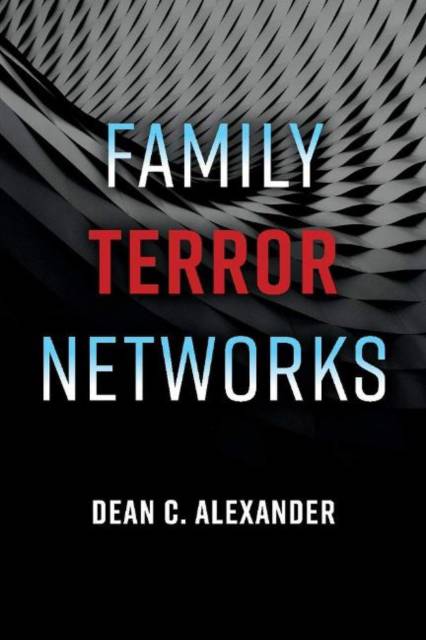
Dean C. Alexander's groundbreaking book, Family Terror Networks, analyzes the emerging and troubling aspects of family terror networks. In doing so, the work chronicles the issue of family affiliated terrorism along the following construct. Chapter 1 addresses general principles of terrorism. Chapter 2 discusses the characteristics of family terror networks. Chapter 3 shares case studies involving family terror networks across ideologies. Chapter 4 proposes a model for predicting family terror networks and its utility in combating this type of political violence. Also, analysis of the 118 case studies of family connected terrorism involving 138 examples of kin relationships (e.g., brothers, husbands/wives, and fathers/sons) is provided. For purposes of these case studies, the term terrorism also signifies individuals otherwise referred to as extremists in the media. Chapter 5 describes law enforcement responses to terrorism, which concurrently undermine kin connected terrorism. The epilogue projects as to the future of family terror networks. The appendix offers an inventory of the cases covered in the book by the names of family members, kin relationships, and extremist ideologies. This is the ideal book for policy makers, criminal justice professionals, academics, students, and others seeking to understand this threat.
Specificaties
Betrokkenen
- Auteur(s):
- Uitgeverij:
Inhoud
- Aantal bladzijden:
- 264
- Taal:
- Engels
Eigenschappen
- Productcode (EAN):
- 9781543953237
- Verschijningsdatum:
- 1/03/2019
- Uitvoering:
- Paperback
- Formaat:
- Trade paperback (VS)
- Afmetingen:
- 150 mm x 226 mm
- Gewicht:
- 430 g



Alleen bij Standaard Boekhandel
+ 44 punten op je klantenkaart van Standaard Boekhandel
Cadeau

AANGERADEN


Beoordelingen
We publiceren alleen reviews die voldoen aan de voorwaarden voor reviews. Bekijk onze voorwaarden voor reviews.