



- Afhalen na 1 uur in een winkel met voorraad
- In januari gratis thuislevering in België
- Ruim aanbod met 7 miljoen producten
- Afhalen na 1 uur in een winkel met voorraad
- In januari gratis thuislevering in België
- Ruim aanbod met 7 miljoen producten





€ 27,95
+ 55 punten
Omschrijving
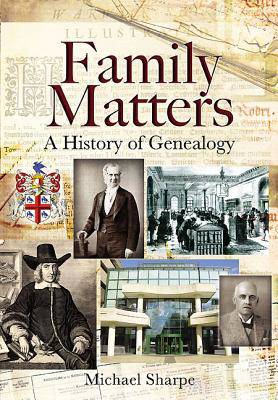
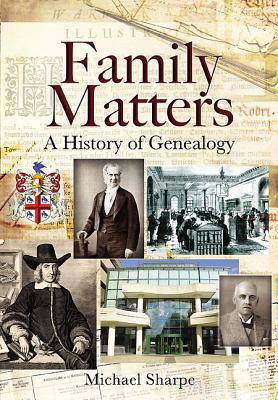
Family history is one of Britain's most popular pastimes. Around six million people in Britain are researching their family trees, and genealogy is one of the top categories for online searches. The opening up of public records, the growth of family history societies and the introduction of computers and the internet have made the subject accessible to everyone. Yet, while there is no shortage of books on how to do family history, few writers have attempted to put the field itself into a historical and social context, and no popular history of the subject has been published in Britain in the last 50 years. That is why Michael Sharpe's new history is so significant. He traces the rise of genealogy from an esoteric interest of gentlemen and scholars to a mainstream hobby enjoyed by millions. He describes in vivid detail the landmark events and the personalities behind them, telling the story of the evolution of family history through the eyes of those involved. His original and highly readable work offers a fresh perspective on an activity that is not just a fast-growing leisure pursuit but also a rapidly expanding business sector and an important field for public policy.
Specificaties
Betrokkenen
- Auteur(s):
- Uitgeverij:
Inhoud
- Aantal bladzijden:
- 240
- Taal:
- Engels
Eigenschappen
- Productcode (EAN):
- 9781848845596
- Verschijningsdatum:
- 13/12/2011
- Uitvoering:
- Hardcover
- Formaat:
- Genaaid
- Afmetingen:
- 152 mm x 229 mm
- Gewicht:
- 656 g


Alleen bij Standaard Boekhandel
+ 55 punten op je klantenkaart van Standaard Boekhandel
Cadeau

AANGERADEN


Beoordelingen
We publiceren alleen reviews die voldoen aan de voorwaarden voor reviews. Bekijk onze voorwaarden voor reviews.