


- Afhalen na 1 uur in een winkel met voorraad
- Gratis thuislevering in België vanaf € 30
- Ruim aanbod met 7 miljoen producten
- Afhalen na 1 uur in een winkel met voorraad
- Gratis thuislevering in België vanaf € 30
- Ruim aanbod met 7 miljoen producten





€ 67,95
+ 135 punten
Uitvoering
Omschrijving
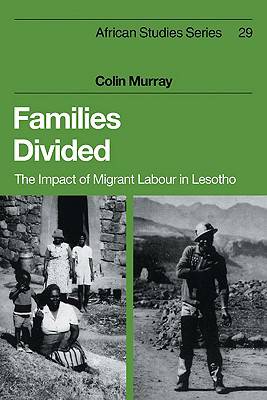
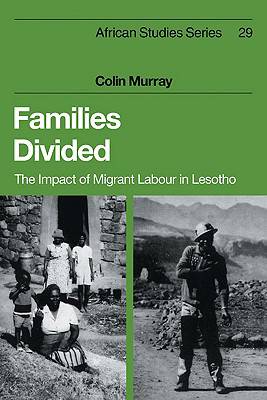
This book examines the effects of migrant labour in a southern African labour reserve. Politically independent, Lesotho is acutely dependent on the export of labour to South Africa. Men spend long periods on contract labour in the South African mines, leaving their wives and families at home. This system of oscillating migration is analysed in its historical context - the development of industrial capitalism in South Africa - and with particular emphasis on its contemporary implications. Dr Murray draws on the experience of particular migrants and their families in Northern Lesotho to illustrate the problems which arise where household members move repetitively between home in Lesotho and workplace in South Africa. This monograph on social structure in the rural periphery of southern Africa places the results of detailed anthropological fieldwork in the framework of the post-1970 radical historiography in southern African studies. It offers an account of changing perspectives on migrant labour in the subcontinent.
Specificaties
Betrokkenen
- Auteur(s):
- Uitgeverij:
Inhoud
- Aantal bladzijden:
- 236
- Taal:
- Engels
- Reeks:
- Reeksnummer:
- nr. 29
Eigenschappen
- Productcode (EAN):
- 9780521107099
- Verschijningsdatum:
- 2/04/2009
- Uitvoering:
- Paperback
- Formaat:
- Trade paperback (VS)
- Afmetingen:
- 152 mm x 229 mm
- Gewicht:
- 349 g


Alleen bij Standaard Boekhandel
+ 135 punten op je klantenkaart van Standaard Boekhandel
Cadeau

AANGERADEN


Beoordelingen
We publiceren alleen reviews die voldoen aan de voorwaarden voor reviews. Bekijk onze voorwaarden voor reviews.