


- Afhalen na 1 uur in een winkel met voorraad
- Gratis thuislevering in België vanaf € 30
- Ruim aanbod met 7 miljoen producten
- Afhalen na 1 uur in een winkel met voorraad
- Gratis thuislevering in België vanaf € 30
- Ruim aanbod met 7 miljoen producten





€ 127,20
+ 254 punten
Omschrijving
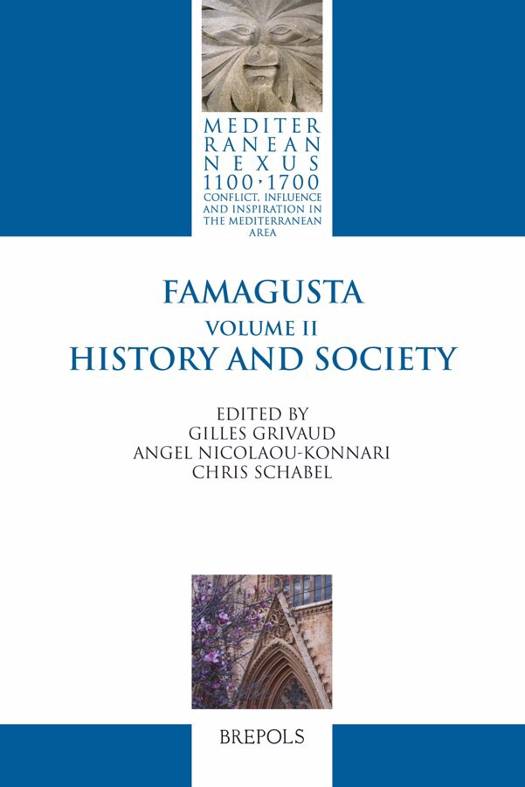
The political, social, economic, and ecclesiastical history of the city of Famagusta in Cyprus in medieval and early modern times (late 12th to late 16th century) and its image in retrospect. This is the second of two volumes on the history and archaeology of the port city of Famagusta in Cyprus from the beginning of the island's Frankish rule in 1192 to the Ottoman conquest in 1571. The first volume, entitled Art and Architecture and edited by Annemarie Weyl Carr, was published in this series in 2014. The volume provides a comprehensive survey of the four-century history of Famagusta under Frankish, Genoese, and Venetian rule down to the Ottoman siege and conquest, supplemented by an account of the image of the medieval and Renaissance city in retrospect. Based on original research and often using unpublished sources, fourteen acknowledged specialists study Famagusta's political, social, economic, and ecclesiastical history from a multi- and interdisciplinary approach that involves aspects such as institutional continuities and discontinuities, military and space organisation, religious and cultural exchanges, gender roles, and the city's image in travelogues', writers' and artists' works. Such an approach allows a better understanding of the evolution of the ethnically and religiously diverse Famagustian society from a rich commercial centre under the Lusignans to an enclave under the Genoese and a military outpost under the Venetians.
Specificaties
Betrokkenen
- Auteur(s):
- Uitgeverij:
Inhoud
- Aantal bladzijden:
- 912
- Taal:
- Engels
- Reeks:
- Reeksnummer:
- nr. 8
Eigenschappen
- Productcode (EAN):
- 9782503590417
- Verschijningsdatum:
- 18/02/2021
- Uitvoering:
- Hardcover
- Formaat:
- Genaaid
- Gewicht:
- 1645 g


Alleen bij Standaard Boekhandel
+ 254 punten op je klantenkaart van Standaard Boekhandel
Cadeau

AANGERADEN


Beoordelingen
We publiceren alleen reviews die voldoen aan de voorwaarden voor reviews. Bekijk onze voorwaarden voor reviews.