


- Afhalen na 1 uur in een winkel met voorraad
- Gratis thuislevering in België vanaf € 30
- Ruim aanbod met 7 miljoen producten
- Afhalen na 1 uur in een winkel met voorraad
- Gratis thuislevering in België vanaf € 30
- Ruim aanbod met 7 miljoen producten





€ 190,80
+ 381 punten
Omschrijving
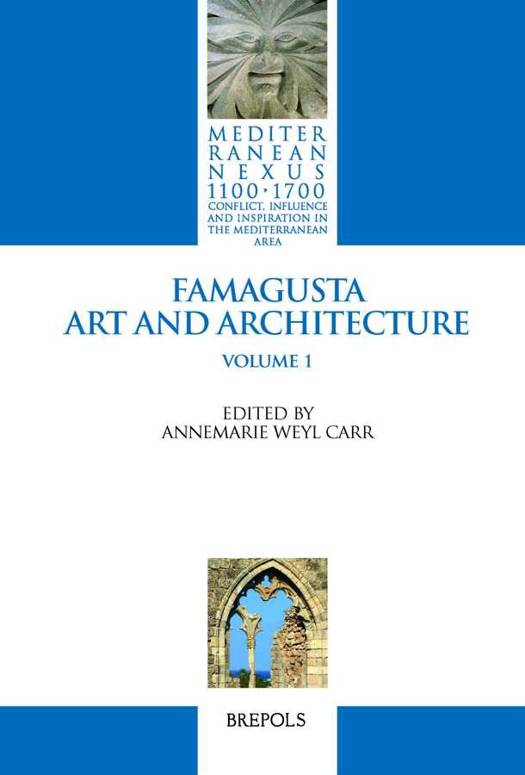
The first of two volumes designed to assemble and consolidate the current state of research on medieval Famagusta, this book is devoted to the city's imposing artifactual remains. Its initial chapters analyse the architecture of the surviving Latin, Greek, and East Christian churches, tracing the city's distinctive form of Gothic as it developed across the various creedal communities, and examining its impact on the rest of the island. Ensuing chapters turn for the first time to the liturgical furnishings in the churches, and to their painting. Uniquely in Cyprus, Famagusta preserves - if tenuously - paintings in Latin-, Syrian-, and Armenian-, as well as Greek-rite, liturgical spaces. Of exceptional interest are the abraded murals of the Greek cathedral of St. George. Two final chapters explore the cultural activity of the Genoese in the city, and the dramatic restoration of St. George of the Greeks as Famagusta's most visibly Venetian church.Volume II, due in 2015, will analyse Famagusta's society, economy, and historiography.
Specificaties
Betrokkenen
- Auteur(s):
- Uitgeverij:
Inhoud
- Aantal bladzijden:
- 460
- Taal:
- Engels
- Reeks:
- Reeksnummer:
- nr. 2
Eigenschappen
- Productcode (EAN):
- 9782503541303
- Verschijningsdatum:
- 24/11/2015
- Uitvoering:
- Hardcover
- Formaat:
- Genaaid
- Afmetingen:
- 160 mm x 234 mm
- Gewicht:
- 771 g


Alleen bij Standaard Boekhandel
+ 381 punten op je klantenkaart van Standaard Boekhandel
Cadeau

AANGERADEN


Beoordelingen
We publiceren alleen reviews die voldoen aan de voorwaarden voor reviews. Bekijk onze voorwaarden voor reviews.