


- Afhalen na 1 uur in een winkel met voorraad
- Gratis thuislevering in België vanaf € 30
- Ruim aanbod met 7 miljoen producten
- Afhalen na 1 uur in een winkel met voorraad
- Gratis thuislevering in België vanaf € 30
- Ruim aanbod met 7 miljoen producten




€ 228,95
Uitvoering
Omschrijving
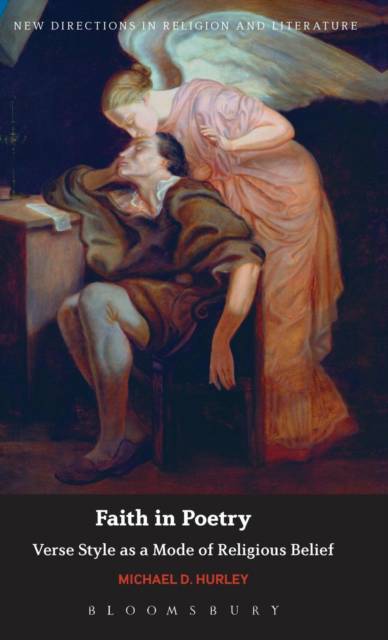
In this ambitious book, Michael D. Hurley explores how five great writers - William Blake, Alfred Tennyson, Christina Rossetti, Gerard Manley Hopkins, and T. S. Eliot - engaged their religious faith in poetry, with a view to asking why they chose that literary form in the first place. What did they believe poetry could say or do that other kinds of language or expression could not? And how might poetry itself operate as a unique mode of believing? These deep questions meet at the crossroads of poetics and metaphysics, and the writers considered here offer different answers. But these writers also collectively shed light on the interplay between literature and theology across the long nineteenth century, at a time when the authority and practice of both was being fiercely reimagined.
Specificaties
Betrokkenen
- Auteur(s):
- Uitgeverij:
Inhoud
- Aantal bladzijden:
- 216
- Taal:
- Engels
- Reeks:
Eigenschappen
- Productcode (EAN):
- 9781474234078
- Verschijningsdatum:
- 16/11/2017
- Uitvoering:
- Hardcover
- Formaat:
- Genaaid
- Afmetingen:
- 140 mm x 216 mm
- Gewicht:
- 390 g


Alleen bij Standaard Boekhandel
Cadeau

AANGERADEN


Beoordelingen
We publiceren alleen reviews die voldoen aan de voorwaarden voor reviews. Bekijk onze voorwaarden voor reviews.