


- Afhalen na 1 uur in een winkel met voorraad
- Gratis thuislevering in België vanaf € 30
- Ruim aanbod met 7 miljoen producten
- Afhalen na 1 uur in een winkel met voorraad
- Gratis thuislevering in België vanaf € 30
- Ruim aanbod met 7 miljoen producten





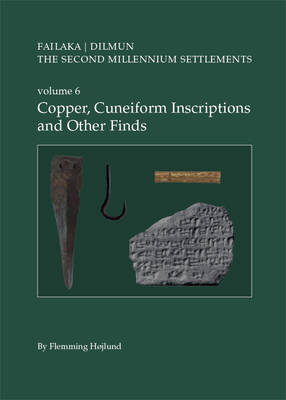
Failaka/Dilmun. the Second Millennium Settlements. Volume 6
Copper, Cuneiform Inscriptions and Other Finds
€ 67,95
+ 135 punten
Omschrijving
Excavations in 1958-1963 of two tells on the island of Failaka in Kuwait, Tell F3 and Tell F6, uncovered a small Dilmun community from the second millennium BC. The results of these excavations have been presented in five monographs dealing with the stamp and cylinder seals (Kjærum 1983), the pottery (Højlund 1987), the architecture (Kjærum & Højlund 2013), the stone vessels (Hilton 2014), and the beads (Andersson 2022). The present monograph, the sixth and final, presents the remaining objects from these excavations, that is, copper weapons, tools and ornaments, crucibles, moulds and ingots, metal analyses (Weeks et al.), cuneiform inscriptions (Marchesi), miniature sculptures (Pittman & Mulder), and artefacts of stone (Hilton), pottery, glass (Andersson), bone, ivory, shell, gold, plaster, pearls, silver, iron and bitumen (Strehle). The concluding chapter gives an overview of the development of the Bronze Age settlement of Failaka.
Specificaties
Betrokkenen
- Uitgeverij:
Inhoud
- Aantal bladzijden:
- 196
- Taal:
- Engels
- Reeks:
- Reeksnummer:
- nr. 6
Eigenschappen
- Productcode (EAN):
- 9788793423947
- Verschijningsdatum:
- 1/10/2024
- Uitvoering:
- Paperback
- Formaat:
- Trade paperback (VS)
- Afmetingen:
- 210 mm x 294 mm
- Gewicht:
- 725 g

Alleen bij Standaard Boekhandel
+ 135 punten op je klantenkaart van Standaard Boekhandel
Cadeau

AANGERADEN


Beoordelingen
We publiceren alleen reviews die voldoen aan de voorwaarden voor reviews. Bekijk onze voorwaarden voor reviews.