


- Afhalen na 1 uur in een winkel met voorraad
- Gratis thuislevering in België vanaf € 30
- Ruim aanbod met 7 miljoen producten
- Afhalen na 1 uur in een winkel met voorraad
- Gratis thuislevering in België vanaf € 30
- Ruim aanbod met 7 miljoen producten





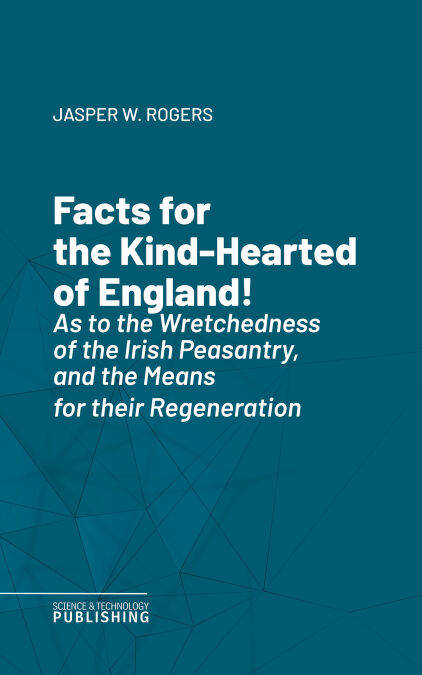
Facts for the Kind-Hearted of England! E-BOOK
As to the Wretchedness of the Irish Peasantry, and the Means for their Regeneration
Rogers
E-book | Engels
€ 19,99
+ 19 punten
Eenvoudig bestellen
Veilig betalen


Onmiddellijk geleverd via e-mail
Omschrijving
Facts for the Kind-Hearted of England! As to the Wretchedness of the Irish Peasantry, and the Means for their Regeneration is a powerful and impassioned work by Jasper W. Rogers, first published in 1847 during the height of the Great Irish Famine. This book serves as both a detailed exposé and a heartfelt plea, addressing the dire conditions faced by the Irish peasantry in the mid-19th century. Rogers meticulously documents the extreme poverty, hunger, and suffering endured by the rural poor in Ireland, drawing on firsthand observations, statistical data, and personal testimonies to paint a vivid and distressing picture of their daily lives. The author appeals directly to the conscience of the English public, urging them to recognize their moral responsibility towards their Irish neighbors. He challenges prevailing prejudices and misconceptions, emphasizing the humanity and dignity of the Irish people despite their desperate circumstances. Rogers does not merely recount the hardships; he also proposes practical solutions for alleviating the suffering and regenerating the Irish countryside. These include reforms in land tenure, improvements in agricultural practices, the establishment of educational opportunities, and the promotion of fair and compassionate governance. Throughout the book, Rogers’s tone is urgent and compassionate, seeking to awaken empathy and inspire action among his readers. He combines emotional appeals with rational argument, making a compelling case for immediate and sustained intervention. Facts for the Kind-Hearted of England! remains a significant historical document, offering insight into the social, economic, and political challenges of 19th-century Ireland, as well as the broader themes of humanitarianism and social justice. It stands as a testament to the enduring power of advocacy literature to influence public opinion and policy in times of crisis.
Specificaties
Betrokkenen
- Auteur(s):
- Uitgeverij:
Inhoud
- Taal:
- Engels
Eigenschappen
- Productcode (EAN):
- 9782528104538
- Verschijningsdatum:
- 31/08/2025
- Uitvoering:
- E-book
- Formaat:
- ePub


Alleen bij Standaard Boekhandel
+ 19 punten op je klantenkaart van Standaard Boekhandel
CADEAU

AANGERADEN


Beoordelingen
We publiceren alleen reviews die voldoen aan de voorwaarden voor reviews. Bekijk onze voorwaarden voor reviews.