


- Afhalen na 1 uur in een winkel met voorraad
- Gratis thuislevering in België vanaf € 30
- Ruim aanbod met 7 miljoen producten
- Afhalen na 1 uur in een winkel met voorraad
- Gratis thuislevering in België vanaf € 30
- Ruim aanbod met 7 miljoen producten





€ 106,00
+ 212 punten
Omschrijving
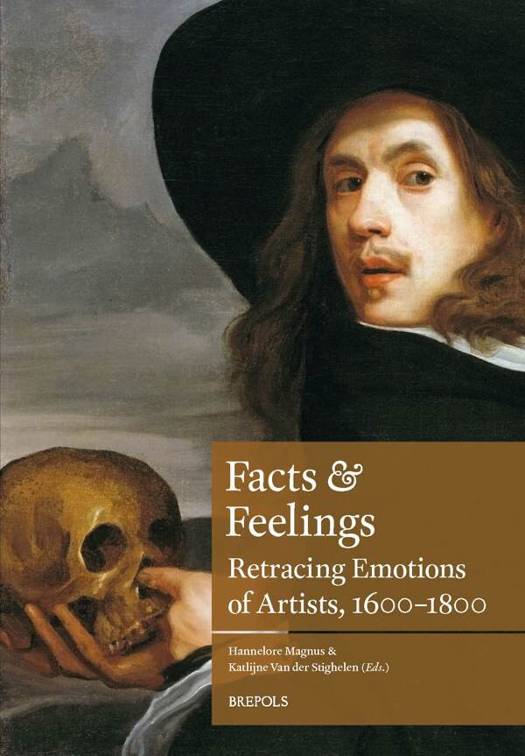
The history of emotions has gained more and more scholarly attention, evidenced by an 'affective turn' or 'emotional turn' in historical research. Many publications have appeared, and internationally oriented research centres and conferences have been set up and organized. This volume brings the importance of a clear understanding of historical feelings into the research area of art historians. Even though the depiction of emotions is an important discipline in its own right, in this volume the concept of the artist and his or her own personal feelings, often in connection with the creation of a work of art, is prioritised. Although it is argued that a painter had to be able to feel emotions in order to depict them correctly, the articles brought together in this volume focus primarily on the traces of artist's emotions (feelings) that can be derived from archival documents, secondary sources, and paintings (facts). Each author has tried in his or her own way to elucidate both the written and visual expressions of an artist's (personal) emotions.
Specificaties
Betrokkenen
- Auteur(s):
- Uitgeverij:
Inhoud
- Aantal bladzijden:
- 228
- Taal:
- Engels
- Reeks:
- Reeksnummer:
- nr. 27
Eigenschappen
- Productcode (EAN):
- 9782503554860
- Verschijningsdatum:
- 6/03/2015
- Uitvoering:
- Paperback
- Formaat:
- Trade paperback (VS)
- Afmetingen:
- 211 mm x 292 mm
- Gewicht:
- 1043 g


Alleen bij Standaard Boekhandel
+ 212 punten op je klantenkaart van Standaard Boekhandel
Cadeau

AANGERADEN


Beoordelingen
We publiceren alleen reviews die voldoen aan de voorwaarden voor reviews. Bekijk onze voorwaarden voor reviews.