


- Afhalen na 1 uur in een winkel met voorraad
- Gratis thuislevering in België vanaf € 30
- Ruim aanbod met 7 miljoen producten
- Afhalen na 1 uur in een winkel met voorraad
- Gratis thuislevering in België vanaf € 30
- Ruim aanbod met 7 miljoen producten




€ 5,75
+ 5 punten
Omschrijving
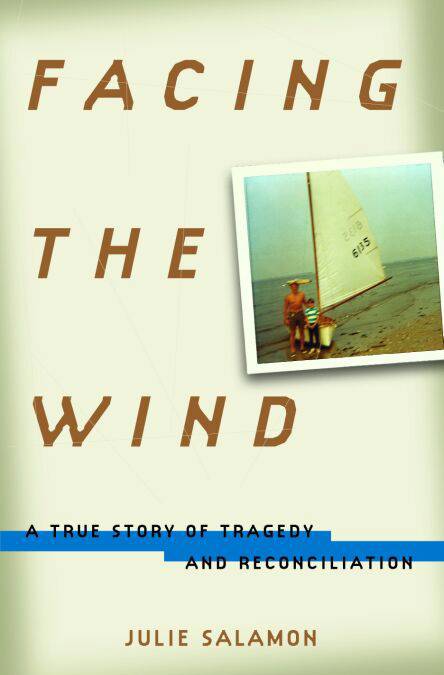
Robert and Mary Rowe’s second child, Christopher, was born with severe neurological and visual impairments. For many years, the Rowes’ courageous response to adversity set an example for a group of Brooklyn mothers who met to discuss the challenges of raising children with birth defects. Then Bob Rowe’s pressures — professional and personal — took their toll, and he fell into depression and, ultimately delusion. And one day he took a baseball bat and killed his three children and his wife. In Facing the Wind, Julie Salamon not only tells the Rowes’ tragic story but also explores the lives of others drawn into it: the mothers, a social worker with problems of her own, an ocularist — that is, a man who makes prosthetic eyes — a young woman who enters the novitiate out of shame over her childhood sexual activities, and a judge of unusual wisdom. Facing the Wind is a work of redemptive compassion and understanding. It addresses the questions of how human beings cope with the burdens that chance inflicts upon them and what constitutes moral and legal guilt and innocence.
Specificaties
Betrokkenen
- Auteur(s):
- Uitgeverij:
Inhoud
- Aantal bladzijden:
- 320
- Taal:
- Engels
Eigenschappen
- Productcode (EAN):
- 9780375507014
- Verschijningsdatum:
- 11/06/2001
- Uitvoering:
- E-book
- Beveiligd met:
- Adobe DRM
- Formaat:
- ePub


Alleen bij Standaard Boekhandel
+ 5 punten op je klantenkaart van Standaard Boekhandel
AANGERADEN


Beoordelingen
We publiceren alleen reviews die voldoen aan de voorwaarden voor reviews. Bekijk onze voorwaarden voor reviews.