


- Afhalen na 1 uur in een winkel met voorraad
- Gratis thuislevering in België vanaf € 30
- Ruim aanbod met 7 miljoen producten
- Afhalen na 1 uur in een winkel met voorraad
- Gratis thuislevering in België vanaf € 30
- Ruim aanbod met 7 miljoen producten





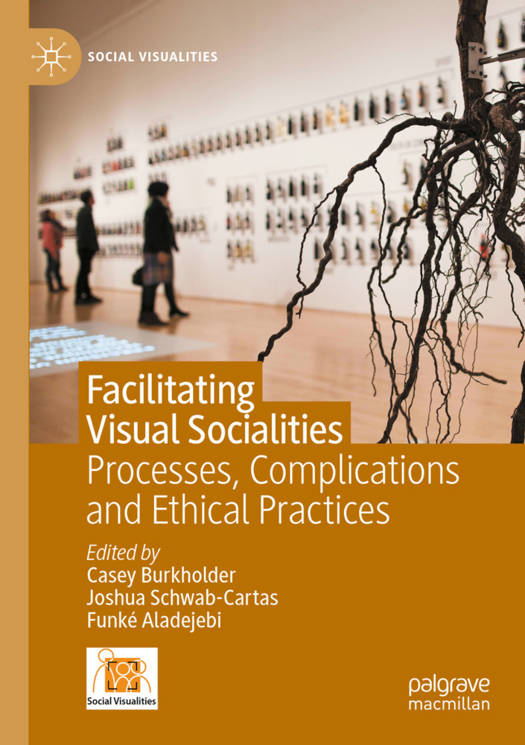
Facilitating Visual Socialities
Processes, Complications and Ethical Practices
€ 151,95
+ 303 punten
Eenvoudig bestellen
Veilig betalen


Gratis thuislevering vanaf € 30 (via bpost)
Gratis levering in je Standaard Boekhandel
Omschrijving
This edited collection seeks to enrich the dialogue about the expansive possibilities of visual sociological research facilitation. Although facilitating ethical research has long been identified within medical research literatures, there is a dearth of distinct perspectives and voices in academic theorizing when it comes to facilitating ethical research. For example, how can researchers learn and incorporate community created approaches to facilitation into their visual research approaches? Although ethics, positionality, and reflexivity remain important components of visual research, the authors argue that the incremental decisions made in real time by research facilitators within the process of visual research is currently under-theorized. This edited collection seeks to discuss how thinking about facilitation in a more critical and nuanced manner, as well as thinking through the kinds of relations, problems and local changes that happen within a project, can help visual sociological researchers move towards more equitable research practices.
Specificaties
Betrokkenen
- Uitgeverij:
Inhoud
- Aantal bladzijden:
- 356
- Taal:
- Engels
- Reeks:
Eigenschappen
- Productcode (EAN):
- 9783031252617
- Verschijningsdatum:
- 11/06/2024
- Uitvoering:
- Paperback
- Formaat:
- Trade paperback (VS)
- Afmetingen:
- 148 mm x 210 mm
- Gewicht:
- 491 g

Alleen bij Standaard Boekhandel
+ 303 punten op je klantenkaart van Standaard Boekhandel
CADEAU

AANGERADEN


Beoordelingen
We publiceren alleen reviews die voldoen aan de voorwaarden voor reviews. Bekijk onze voorwaarden voor reviews.