


- Afhalen na 1 uur in een winkel met voorraad
- Gratis thuislevering in België vanaf € 30
- Ruim aanbod met 7 miljoen producten
- Afhalen na 1 uur in een winkel met voorraad
- Gratis thuislevering in België vanaf € 30
- Ruim aanbod met 7 miljoen producten





€ 123,95
+ 247 punten
Omschrijving
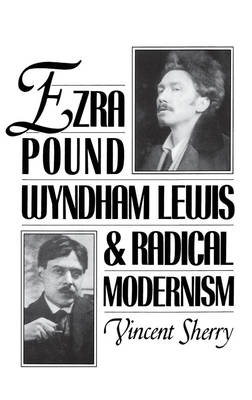
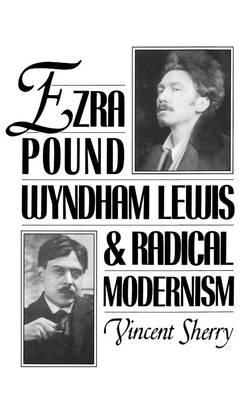
Ezra Pound and Wyndham Lewis developed a highly experimental art; they were attracted simultaneously to political programs remarkably backward in outlook--the autocracies of Fascist Italy and Germany. That paradox, central to the problematic achievement of Anglo-American modernism, is freshly addressed in this study. Here Sherry examines the influence of music and painting on literature, presents original research on European intellectual history, and proposes a new understanding of ideology as a force in the literary imagination. Following the example of continental ideologues, the English modernists use the material of aesthetic experience to prove truths of human nature, making art the basis for social values and recommendations. This sensibility enriches their work, shaping the varied textures of Pound's Cantos and the complex designs of Lewis's painting and fiction, but their mastery of avant-garde techniques endorses the authority of an antique state. Sherry returns their "totalitarian synthesis" of art and politics to its originating moment, following its trajectory from 1910 to the eve of World War II.
Specificaties
Betrokkenen
- Auteur(s):
- Uitgeverij:
Inhoud
- Aantal bladzijden:
- 240
- Taal:
- Engels
Eigenschappen
- Productcode (EAN):
- 9780195076936
- Verschijningsdatum:
- 25/02/1993
- Uitvoering:
- Hardcover
- Formaat:
- Genaaid
- Afmetingen:
- 162 mm x 243 mm
- Gewicht:
- 616 g


Alleen bij Standaard Boekhandel
+ 247 punten op je klantenkaart van Standaard Boekhandel

Beoordelingen
We publiceren alleen reviews die voldoen aan de voorwaarden voor reviews. Bekijk onze voorwaarden voor reviews.