


- Afhalen na 1 uur in een winkel met voorraad
- Gratis thuislevering in België vanaf € 30
- Ruim aanbod met 7 miljoen producten
- Afhalen na 1 uur in een winkel met voorraad
- Gratis thuislevering in België vanaf € 30
- Ruim aanbod met 7 miljoen producten





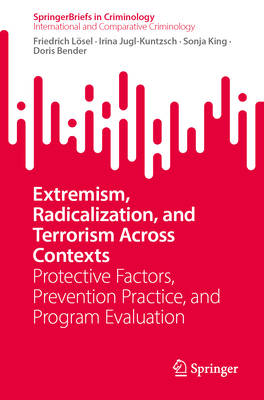
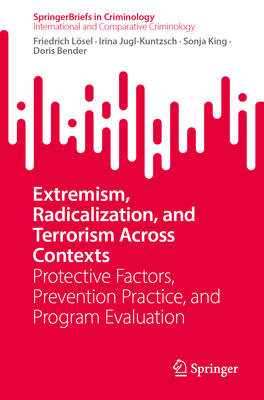
Extremism, Radicalization, and Terrorism Across Contexts
Protective Factors, Prevention Practice, and Program Evaluation
Friedrich Lösel, Irina Jugl-Kuntzsch, Sonja King, Doris Bender
€ 54,45
+ 108 punten
Eenvoudig bestellen
Veilig betalen


Gratis thuislevering vanaf € 30 (via bpost)
Gratis levering in je Standaard Boekhandel
Omschrijving
This brief addresses the urgent global challenge of politically, religiously, ethnically, and other ideologically motivated extremism and violent radicalization. It critically examines the effectiveness of existing psychosocial prevention strategies and provides insights into resilience against extremism. Drawing on research from 31 countries and the evaluation of l prevention programs, the book offers a comprehensive look at how psychosocial programs can reduce radicalization. The volume delves into key concepts, theoretical explanations, methodological challenges, and developmental risks Its own empirical research includes a unique survey of practical prevention projects and a systematic review and meta-analysis of outcome evaluations. The volume highlights positive outcomes, especially in primary prevention for youth and tertiary interventions for exiting radical trajectories. However, it also underscores the need for more methodologically sound, controlled evaluations of long-term behavioral changes. By offering empirical evidence on diverse approaches, this book provides a robust foundation for a more informed and less divisive societal discussion on extremism. It is an essential resource for policymakers, practitioners, and researchers engaged in counter-extremism, social work, and criminology.
Specificaties
Betrokkenen
- Auteur(s):
- Uitgeverij:
Inhoud
- Aantal bladzijden:
- 128
- Taal:
- Engels
- Reeks:
Eigenschappen
- Productcode (EAN):
- 9783032206787
- Verschijningsdatum:
- 15/05/2026
- Uitvoering:
- Paperback
- Formaat:
- Trade paperback (VS)
- Afmetingen:
- 155 mm x 235 mm
- Gewicht:
- 225 g


Alleen bij Standaard Boekhandel
+ 108 punten op je klantenkaart van Standaard Boekhandel
CADEAU

AANGERADEN


Beoordelingen
We publiceren alleen reviews die voldoen aan de voorwaarden voor reviews. Bekijk onze voorwaarden voor reviews.