


- Afhalen na 1 uur in een winkel met voorraad
- Gratis thuislevering in België vanaf € 30
- Ruim aanbod met 7 miljoen producten
- Afhalen na 1 uur in een winkel met voorraad
- Gratis thuislevering in België vanaf € 30
- Ruim aanbod met 7 miljoen producten





€ 15,95
+ 31 punten
Uitvoering
Omschrijving
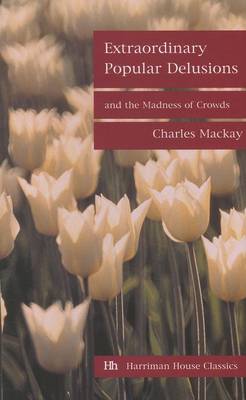
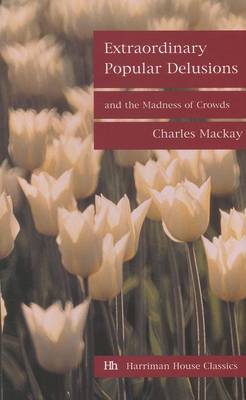
First published in 1841, Extraordinary Popular Delusions and the Madness of Crowds is often cited as the best book ever written about market psychology. This Harriman House edition includes Charles Mackay's account of the three infamous financial manias - John Law's Mississipi Scheme, the South Sea Bubble, and Tulipomania. Between the three of them, these historic episodes confirm that greed and fear have always been the driving forces of financial markets, and, furthermore, that being sensible and clever is no defence against the mesmeric allure of a popular craze with the wind behind it. In writing the history of the great financial manias, Charles Mackay proved himself a master chronicler of social as well as financial history. Blessed with a cast of characters that covered all the vices, gifted a passage of events which was inevitably heading for disaster, and with the benefit of hindsight, he produced a record that is at once a riveting thriller and absorbing historical document. A century and a half later, it is as vibrant and lurid as the day it was written. For modern-day investors, still reeling from the dotcom crash, the moral of the popular manias scarcely needs spelling out. When the next stock market bubble comes along, as it surely will, you are advised to recall the plight of some of the unfortunates on these pages, and avoid getting dragged under the wheels of the careering bandwagon yourself.
Specificaties
Betrokkenen
- Auteur(s):
- Uitgeverij:
Inhoud
- Aantal bladzijden:
- 114
- Taal:
- Engels
- Reeks:
Eigenschappen
- Productcode (EAN):
- 9781897597323
- Verschijningsdatum:
- 1/09/2003
- Uitvoering:
- Hardcover
- Formaat:
- Genaaid
- Afmetingen:
- 112 mm x 199 mm
- Gewicht:
- 267 g


Alleen bij Standaard Boekhandel
+ 31 punten op je klantenkaart van Standaard Boekhandel
Cadeau

AANGERADEN


Beoordelingen
We publiceren alleen reviews die voldoen aan de voorwaarden voor reviews. Bekijk onze voorwaarden voor reviews.