


- Afhalen na 1 uur in een winkel met voorraad
- Gratis thuislevering in België vanaf € 30
- Ruim aanbod met 7 miljoen producten
- Afhalen na 1 uur in een winkel met voorraad
- Gratis thuislevering in België vanaf € 30
- Ruim aanbod met 7 miljoen producten





€ 135,95
+ 271 punten
Omschrijving
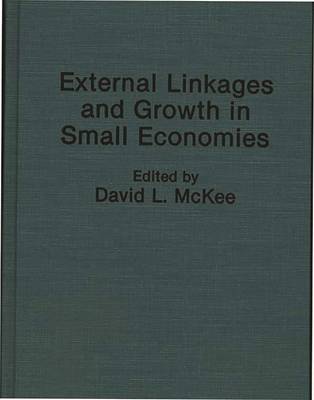
The advances in transportation and communications have caused and supported the emergence of a global economy. The small economies are especially attractive to multinational companies for siting of production facilities because of lower costs and friendlier governmental attitudes. The emerging international economy has had an impact on third world countries in many ways. In general, international linkages and local economic sovereignty are inversely related. However, participation in the international economy is needed to balance the import/export flow used to improve the conditions in the smaller countries. Although external economic linkages are not risk-free, it appears that a certain amount of foreign involvement is necessary for successful economic development and improvement of conditions for small emerging nations. This work uses the Caribbean nations as a laboratory to show the various aspects of international linkages. This is especially appropriate because of the proximity of these countries to the North American markets.
Specificaties
Betrokkenen
- Auteur(s):
- Uitgeverij:
Inhoud
- Aantal bladzijden:
- 176
- Taal:
- Engels
Eigenschappen
- Productcode (EAN):
- 9780275946555
- Verschijningsdatum:
- 30/11/1993
- Uitvoering:
- Hardcover
- Formaat:
- Genaaid
- Afmetingen:
- 144 mm x 218 mm
- Gewicht:
- 367 g



Alleen bij Standaard Boekhandel
+ 271 punten op je klantenkaart van Standaard Boekhandel
CADEAU

AANGERADEN


Beoordelingen
We publiceren alleen reviews die voldoen aan de voorwaarden voor reviews. Bekijk onze voorwaarden voor reviews.