


- Afhalen na 1 uur in een winkel met voorraad
- Gratis thuislevering in België vanaf € 30
- Ruim aanbod met 7 miljoen producten
- Afhalen na 1 uur in een winkel met voorraad
- Gratis thuislevering in België vanaf € 30
- Ruim aanbod met 7 miljoen producten





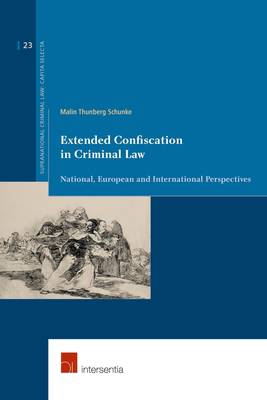
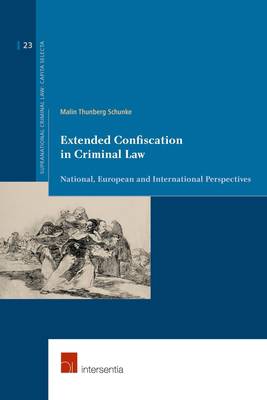
Extended Confiscation in Criminal Law
National, European and International Perspectives Volume 23
Malin Thunberg Schunke
€ 108,00
+ 216 punten
Omschrijving
Extended Confiscation in Criminal Law provides a comprehensive analysis of the most recent developments in the field. With its main focus on the EU, this multi-faceted study enhances the reader's understanding of the strategy of confiscating assets, giving detailed answers to the questions of how the confiscation regimes could be improved and which changes are proportionate to the objectives pursued.The book begins by examining extended confiscation from the national perspective, presenting the substantive criteria for this power of confiscation. It focuses on three main jurisdictions - England and Wales, Germany and Sweden - and explores how domestic legislation is drafted and applied in their differing models. Analysing Directive 2014/42/EU on the Freezing and Confiscation of Instrumentalities and Proceeds of Crime in the European Union, it seeks to answer the questions of whether harmonisation truly increases efficiency or if other reforms may be more effectively. Furthermore, this book considers whether increased powers of extended confiscation strike the right balance between the interest of law enforcement and the protection of fundamental human rights.The notion of extended confiscation is then set in its broader context, looking from an international perspective. A holistic analysis of the regime for handling transnational confiscation cases is given, asking if it is possible to trace and search for assets abroad, or execute final orders in other states.This book is of great interest for academics as well as national and international legislators. It may also be used as a handbook for practitioners handling cross-border confiscation cases.
Specificaties
Betrokkenen
- Auteur(s):
- Uitgeverij:
Inhoud
- Aantal bladzijden:
- 354
- Taal:
- Engels
- Reeks:
- Reeksnummer:
- nr. 23
Eigenschappen
- Productcode (EAN):
- 9781780684789
- Verschijningsdatum:
- 21/08/2017
- Uitvoering:
- Paperback
- Formaat:
- Trade paperback (VS)
- Afmetingen:
- 160 mm x 240 mm
- Gewicht:
- 376 g


Alleen bij Standaard Boekhandel
+ 216 punten op je klantenkaart van Standaard Boekhandel
Cadeau

AANGERADEN


Beoordelingen
We publiceren alleen reviews die voldoen aan de voorwaarden voor reviews. Bekijk onze voorwaarden voor reviews.