


- Afhalen na 1 uur in een winkel met voorraad
- Gratis thuislevering in België vanaf € 30
- Ruim aanbod met 7 miljoen producten
- Afhalen na 1 uur in een winkel met voorraad
- Gratis thuislevering in België vanaf € 30
- Ruim aanbod met 7 miljoen producten





€ 51,95
+ 103 punten
Omschrijving
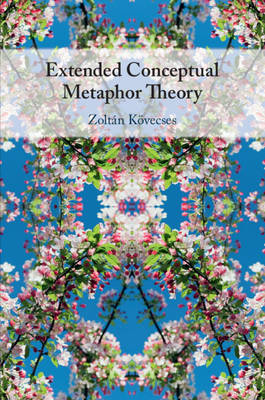
The phenomenon known as metaphor is an extremely complex mental event - we cannot capture its complexity if we tie ourselves to existing standard views on metaphor. This book offers fresh insight into metaphor, updating an established theory, conceptual metaphor theory (CMT), in the context of current cognitive linguistic theory, and clarifying many of the issues that researchers in the study of metaphor have raised against conceptual metaphor theory. Starting with an introduction to CMT, the subsequent chapters set out propositions for Extended Conceptual Metaphor Theory, including a discussion on whether literal language exists at all, whether conceptual metaphors are both conceptual and contextual, and whether they are both offline and online. Providing a fresh take on a constantly developing field, this study will enrich the work of researchers in areas ranging from metaphorical cognition to literary studies.
Specificaties
Betrokkenen
- Auteur(s):
- Uitgeverij:
Inhoud
- Aantal bladzijden:
- 212
- Taal:
- Engels
Eigenschappen
- Productcode (EAN):
- 9781108796620
- Verschijningsdatum:
- 15/09/2022
- Uitvoering:
- Paperback
- Formaat:
- Trade paperback (VS)
- Afmetingen:
- 152 mm x 229 mm
- Gewicht:
- 290 g


Alleen bij Standaard Boekhandel
+ 103 punten op je klantenkaart van Standaard Boekhandel
Cadeau

AANGERADEN


Beoordelingen
We publiceren alleen reviews die voldoen aan de voorwaarden voor reviews. Bekijk onze voorwaarden voor reviews.