


- Afhalen na 1 uur in een winkel met voorraad
- Gratis thuislevering in België vanaf € 30
- Ruim aanbod met 7 miljoen producten
- Afhalen na 1 uur in een winkel met voorraad
- Gratis thuislevering in België vanaf € 30
- Ruim aanbod met 7 miljoen producten





€ 31,45
+ 62 punten
Omschrijving
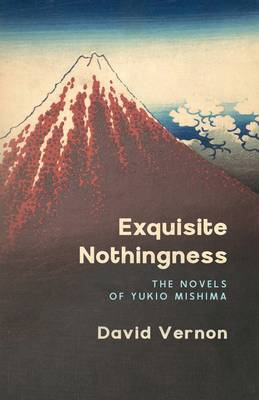
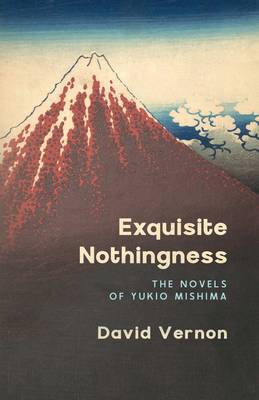
Yukio Mishima (1925-1970) was a sensationalist, a militarist, a self-publicist, a contrarian, a charlatan, a joker, a poser, a paradox and a hypocrite - but he was also a literary genius. Nominated several times for the Nobel Prize, his work remains one of the cornerstones of twentieth-century Japanese literature, an enduring, provocative and disturbing force probing the strangeness and fragility of our existence in a violent, unpredictable world.In Exquisite Nothingness: The Novels of Yukio Mishima, David Vernon explores the full range of Mishima's achievement, with a chapter devoted to each of his major novels, including established classics like Confessions of a Mask, Thirst for Love, Forbidden Colours, The Temple of the Golden Pavilion, The Sailor Who Fell from Grace with the Sea and the vast final quartet The Sea of Fertility, as well as startling works only recently available to English readers: the captivating anti-nuclear science fiction Beautiful Star and the surreal satire on modern times Life for Sale.More than half a century since his shocking suicide, Exquisite Nothingness aims to reposition Mishima's art at the centre of his controversial legacy, acclaiming its depth, beauty and devastating emotional power.
Specificaties
Betrokkenen
- Auteur(s):
- Uitgeverij:
Inhoud
- Aantal bladzijden:
- 390
- Taal:
- Engels
Eigenschappen
- Productcode (EAN):
- 9781739136130
- Verschijningsdatum:
- 23/09/2025
- Uitvoering:
- Paperback
- Formaat:
- Trade paperback (VS)
- Afmetingen:
- 140 mm x 216 mm
- Gewicht:
- 449 g


Alleen bij Standaard Boekhandel
+ 62 punten op je klantenkaart van Standaard Boekhandel
Cadeau

AANGERADEN


Beoordelingen
We publiceren alleen reviews die voldoen aan de voorwaarden voor reviews. Bekijk onze voorwaarden voor reviews.